
Understanding the Silhouette Soft Procedure: What Riyadh Patients Should Know
The decision to undergo an aesthetic enhancement is often accompanied by a desire for thorough understanding and clear expectations regarding the process and outcomes. For those exploring minimally invasive options to address facial aging, the Silhouette Soft Thread Lift in Riyadh represents a sophisticated fusion of surgical technology and dermatological care. This procedure is designed for individuals who are noticing the initial signs of gravity—such as a slight drooping of the cheeks or a loss of jawline crispness—but are not yet candidates for, or interested in, traditional surgery. By understanding the step-by-step nature of the treatment, the science behind the materials, and the reality of the recovery phase, patients can approach their transformation with confidence and clarity.
The Consultation: Mapping the Facial Architecture
Every successful procedure begins long before the first thread is inserted. The initial consultation is a critical phase where the practitioner assesses the patient's unique facial anatomy, skin quality, and aesthetic goals. Not all sagging is created equal; some patients may require a lift focused on the mid-face to alleviate deep nasolabial folds, while others may benefit more from a horizontal pull to sharpen the mandibular border.
During this stage, the practitioner will examine the thickness of the subcutaneous fat layer, as the threads must be placed at a specific depth to be effective and invisible. This is also the time to discuss medical history and ensure that expectations are aligned with what non-surgical technology can realistically achieve. A personalized treatment plan is then mapped out, identifying the precise entry and exit points that will serve as the anchors for the new facial structure.
The Technology: PLA and Bidirectional Cones
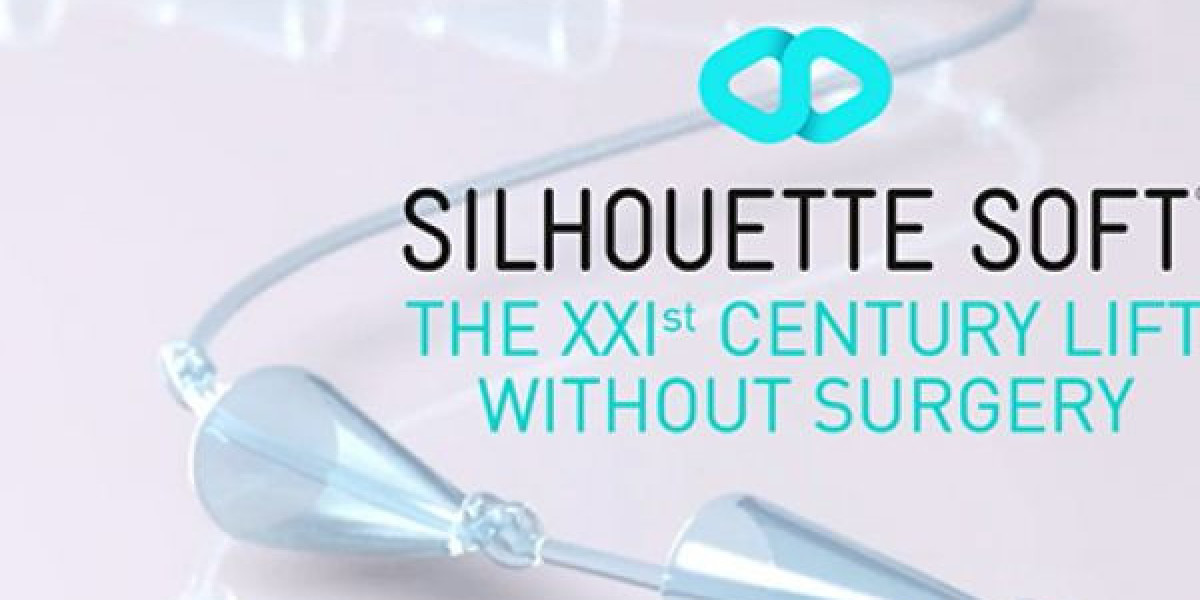
A key point of knowledge for any patient is the composition of the threads themselves. The sutures are made of Polylactic Acid (PLA), a high-grade, biocompatible polymer that is entirely absorbable by the human body. What sets this specific procedure apart is the inclusion of bidirectional cones.
These cones are strategically placed along the thread to allow for a 360-degree grip on the surrounding tissue. Unlike older barbed threads, these cones provide a smooth yet firm anchoring system. Once the thread is in place, the cones prevent it from moving, ensuring the lift remains stable. Furthermore, because the material is a known biostimulator, it encourages the body to produce its own collagen as the threads gradually dissolve over 12 to 18 months. This means the procedure provides both an immediate mechanical change and a long-term biological improvement.
The Step-by-Step Clinical Process
The actual procedure is remarkably straightforward and is typically performed in a clinical setting in under an hour. Understanding the steps can help alleviate any anxiety regarding the treatment:
Anesthesia: Local anesthetic is injected into the entry and exit points. This is usually the only part of the procedure where the patient feels a slight pinch; thereafter, the area is numb.
Insertion: The practitioner uses a very fine needle to guide the thread through the subcutaneous tissue. Because there are no incisions, there is no heavy bleeding or need for sutures.
Tensioning and Sculpting: Once the threads are positioned, the practitioner gently pulls the ends to engage the cones and lift the tissue. This is a highly artistic phase where the face is "sculpted" into its new position.
Finishing: The ends of the threads are trimmed close to the skin, and they disappear beneath the surface. Small adhesive bandages may be placed over the entry points.
Post-Procedure Expectations and Sensations
Patients should be aware of the immediate sensations following the lift. It is common to feel a sense of "tightness" in the face, especially when talking or eating. This is a sign that the suspension system is working. Some patients may also notice slight "puckering" or dimpling at the entry points where the skin has been gathered; this is temporary and usually smooths out within a few days as the tissue settles.
Minor swelling and occasional bruising are possibilities, particularly in the first 48 hours. Most patients find that these can be easily managed with cold packs and do not require taking significant time off from work. It is a "socially discreet" procedure, meaning that while you look different (refreshed and lifted), the physical markers of the procedure itself fade very quickly.
Essential Aftercare for Longevity
To protect the investment and ensure the best possible results, patients must adhere to specific aftercare guidelines for the first few weeks. The goal is to allow the cones to fully integrate with the facial tissue without being displaced by excessive movement.
Restricted Movement: Patients are advised to avoid excessive facial expressions, such as wide yawning or vigorous laughing, for the first week.
Sleeping Position: Sleeping on the back with the head elevated is recommended for the first 3 to 5 nights to minimize swelling and prevent pressure on the threads.
Skincare and Makeup: Gentle washing is fine after 24 hours, but vigorous scrubbing or facial massages should be avoided for at least three weeks.
Exercise: High-impact sports and heavy lifting should be paused for about two weeks to avoid increased blood pressure in the facial area.
Who is the Ideal Candidate?
The Silhouette Soft procedure is most effective for men and women with "good" skin quality—meaning the skin still has some inherent elasticity—and mild to moderate laxity. It is not a replacement for a surgical facelift in cases of severe skin sagging or significant excess skin.
Instead, it is a preventative and restorative tool for those who want to "pause" the aging process. It is also an excellent option for patients who have previously had surgery and are looking for a "touch-up" to maintain their results. By choosing this path, patients in Riyadh can benefit from a globally recognized technology that prioritizes safety, natural-looking results, and a rapid return to their active, professional lives.








