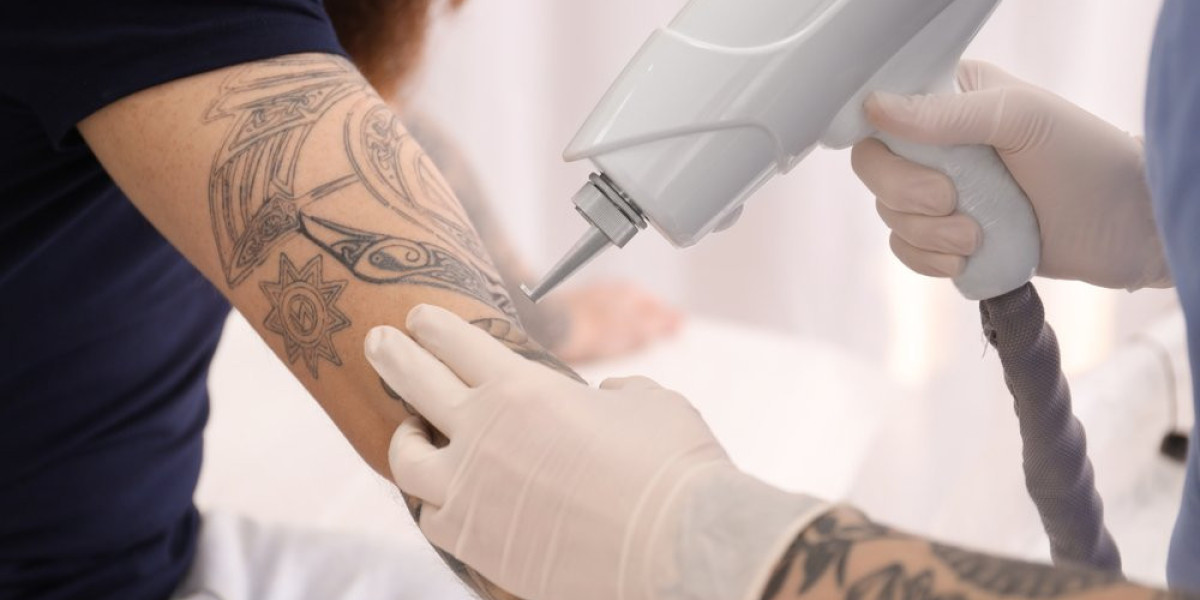

Laser tattoo removal is one of the most effective and widely used methods for erasing unwanted tattoos. The success of laser treatments depends largely on the type of laser used and, more specifically, the wavelength of light it emits. Different tattoo ink colors and skin types respond differently to various wavelengths, making an understanding of laser physics essential for safe and effective tattoo removal. Many people are seeking safe and effective options for tattoo removal in Riyadh to restore clear, healthy skin.
What Are Laser Wavelengths?
A laser wavelength refers to the specific length of light emitted by the laser, measured in nanometers (nm). This wavelength determines how deeply the laser penetrates the skin and which colors of tattoo ink it can target most effectively. Tattoo removal lasers work by producing high-intensity pulses of light that are absorbed by the pigment particles in the tattoo. The energy breaks these particles into smaller fragments that are naturally cleared by the body’s immune system. The principle behind laser selection is “selective photothermolysis,” which means the laser targets the tattoo pigment without causing excessive damage to surrounding skin.
Common Laser Wavelengths and Their Applications
- 1064 nm Nd:YAG Laser:
The 1064 nm wavelength is highly effective for dark pigments such as black and deep blue inks. Because it penetrates deeper into the skin, it is also considered safer for individuals with darker skin tones. The laser energy is preferentially absorbed by the tattoo pigment rather than the surrounding melanin, reducing the risk of hyperpigmentation or burns. It is often the first choice for professional tattoos with dense black ink. - 532 nm Nd:YAG or KTP Laser:
The 532 nm wavelength targets red, orange, and certain pink pigments effectively. Red pigments absorb green light very efficiently, making this wavelength ideal for fading or removing tattoos that contain red tones. This wavelength is usually not suitable for dark skin tones, as melanin in the skin may also absorb the energy, increasing the risk of pigmentation changes. - 755 nm Alexandrite Laser:
The 755 nm wavelength is effective for green, blue, and teal pigments. It penetrates moderately deep into the skin and provides high absorption for specific colors that are challenging to remove with standard Nd:YAG lasers. This laser is generally recommended for lighter skin types due to increased melanin absorption in darker skin, which can lead to side effects. - 694 nm Ruby Laser:
Ruby lasers emit light at 694 nm and are effective against blue, green, and black inks. They were among the first lasers used for tattoo removal and remain valuable for certain colors that respond poorly to other wavelengths. However, they are less commonly used today due to slower treatment times and a higher risk of pigment-related complications in darker skin.
Factors Influencing Wavelength Selection
Choosing the correct wavelength depends on several factors, including:
- Tattoo Color: Different pigments absorb different wavelengths. Black absorbs most wavelengths effectively, while lighter colors like yellow, white, and pastels may require specialized or multiple wavelengths for removal.
- Skin Type: Darker skin tones contain more melanin, which can absorb laser energy and increase the risk of hyperpigmentation. Longer wavelengths, like 1064 nm, are safer for these skin types because they bypass melanin more effectively.
- Tattoo Depth and Age: Older tattoos or ink placed deeper in the dermis may require higher energy or multiple wavelengths to achieve complete removal. Modern professional tattoos with dense pigments may respond differently compared to amateur tattoos.
- Treatment Goals: Some patients may seek partial fading for cover-ups rather than complete removal, influencing the choice of wavelength and energy settings.
Safety and Effectiveness
Using the correct wavelength ensures that the laser targets the tattoo pigment efficiently while minimizing damage to surrounding skin. Incorrect wavelength selection can result in prolonged healing, ineffective treatment, or unwanted side effects like burns, scarring, or changes in pigmentation. Experienced practitioners often combine multiple wavelengths during a session or across several sessions to target multicolored tattoos effectively.
Conclusion
Understanding laser wavelengths is fundamental to successful tattoo removal. The 1064 nm Nd:YAG laser is optimal for black and dark blue inks and safe for darker skin tones, while the 532 nm wavelength targets red pigments effectively. Alexandrite and Ruby lasers cover green and blue inks, with each wavelength selected based on tattoo color, skin type, ink depth, and treatment goals. Proper wavelength selection maximizes treatment efficiency, reduces the risk of complications, and ensures a safer, more predictable tattoo removal process. By matching laser technology to the unique characteristics of each tattoo, patients can achieve more effective results with minimal risk.