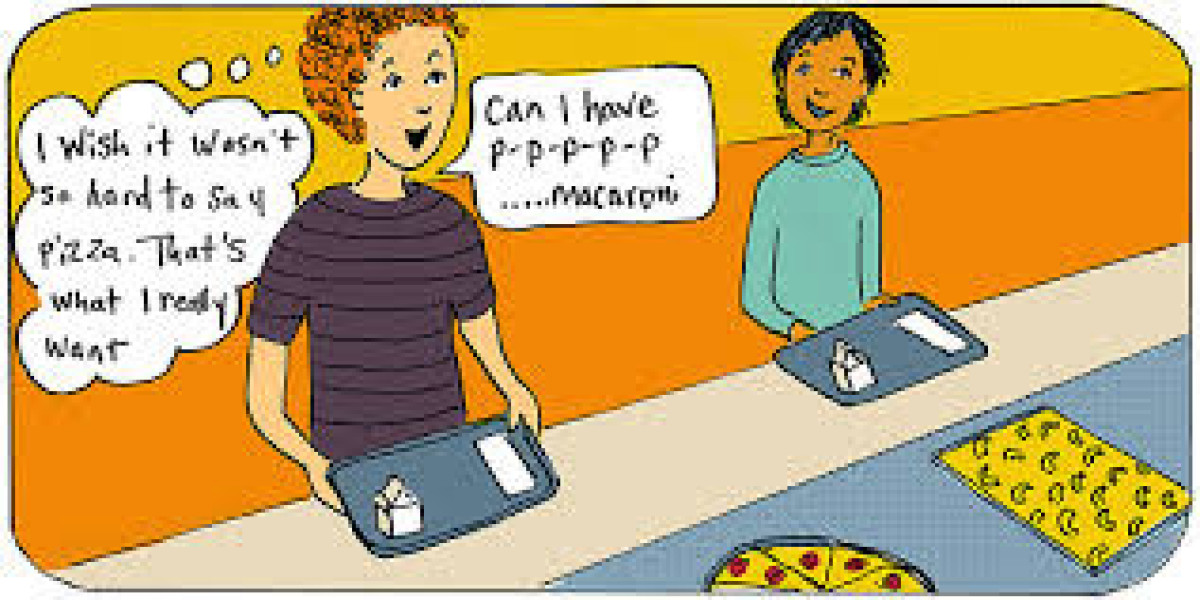

Communication is something most of us take for granted. We use words to express our thoughts, share feelings, ask questions, and build relationships. However, for individuals living with Language Disorder, communication can feel confusing, frustrating, and overwhelming.
A language disorder affects a person’s ability to understand or use spoken, written, or other language forms. Unlike simple speech delays, it impacts how words are processed, structured, and expressed. As a result, children and even adults may struggle to follow instructions, form sentences, or express ideas clearly.
In this article, we will explore what Language Disorder is, its signs, causes, diagnosis, and treatment options. Most importantly, we’ll discuss how early intervention can make a life-changing difference.
What is Language Disorder?
Language Disorder is a communication condition that affects the ability to understand (receptive language) and/or express (expressive language) thoughts using words.
It is important to understand that this is not about intelligence. Many individuals with language disorders have average or above-average intelligence. However, they struggle specifically with language processing.
Language disorders can affect:
Vocabulary development
Sentence structure
Understanding instructions
Storytelling ability
Reading and writing skills
Because language is the foundation of learning and social interaction, these challenges can impact academic performance, confidence, and relationships.
Types of Language Disorder
Language disorders are generally divided into three main types:
1. Expressive Language Disorder
Children may understand what others are saying but struggle to express their own thoughts clearly. They may:
Use limited vocabulary
Speak in short or incomplete sentences
Have difficulty telling stories
2. Receptive Language Disorder
Here, the main difficulty lies in understanding language. A child may:
Struggle to follow instructions
Misinterpret questions
Appear inattentive
3. Mixed Receptive-Expressive Disorder
This type involves challenges in both understanding and expressing language.
In many cases, symptoms overlap, which is why professional evaluation is essential.
Signs and Symptoms to Watch For
Recognizing early signs can significantly improve outcomes. Some common indicators include:
In Toddlers and Preschoolers:
Limited vocabulary for age
Difficulty combining words
Trouble understanding simple instructions
Frustration during communication
In School-Aged Children:
Difficulty understanding classroom lessons
Poor reading comprehension
Trouble organizing thoughts in writing
Limited storytelling skills
In Adults:
Difficulty understanding complex conversations
Trouble finding the right words
Challenges in professional communication
It is important to note that occasional speech errors are normal. However, persistent difficulties may require assessment.
Causes of Language Disorder
Language disorders can have various causes. Sometimes, the exact cause is unknown. However, contributing factors may include:
Genetic predisposition
Neurological differences
Hearing problems
Developmental delays
Brain injury
Autism spectrum conditions
In some cases, language disorder appears alongside other developmental conditions, making early screening even more important.
How is Language Disorder Diagnosed?
Diagnosis typically involves a comprehensive assessment by a speech-language pathologist (SLP).
The evaluation may include:
Parent interviews
Developmental history
Standardized language tests
Observation of communication skills
Hearing screening
Early diagnosis allows professionals to create a personalized therapy plan tailored to the individual’s needs.
Treatment and Therapy Options
The good news is that language disorders can improve significantly with proper intervention.
Speech and Language Therapy
Speech-language therapy is the most effective treatment. Therapy focuses on:
Expanding vocabulary
Improving sentence structure
Strengthening listening skills
Enhancing comprehension
Developing social communication
Therapy sessions are designed to be engaging and interactive, especially for children. Through play-based strategies, storytelling, and structured activities, language skills gradually improve.
Home Support Strategies
Parents and caregivers play a crucial role in progress. Some helpful strategies include:
Reading together daily
Encouraging conversation
Asking open-ended questions
Expanding on your child’s sentences
Limiting screen time
Consistency at home reinforces what is practiced during therapy sessions.
The Impact on Academic and Social Life
Language forms the basis of learning. Therefore, untreated language disorder can lead to:
Academic struggles
Low self-esteem
Social isolation
Behavioral challenges
Children may feel misunderstood or embarrassed when they cannot express themselves clearly. Over time, this can affect emotional development.
However, with early intervention, children can build strong communication skills and confidence.
When Should You Seek Help?
You should consider professional evaluation if:
Your child is not meeting speech milestones
Teachers express concerns about comprehension
Your child becomes frustrated during communication
There is a family history of language delays
Early support leads to better long-term outcomes. Even if concerns turn out to be mild, assessment provides clarity and peace of mind.
Language Disorder vs Speech Disorder
Many people confuse language disorder with speech disorder, but they are different.
Speech disorders affect how sounds are produced.
Language disorders affect understanding and using words.
A child may have one or both conditions. Proper assessment ensures the right treatment approach.
Long-Term Outlook
With timely therapy, many individuals show remarkable improvement. Progress may be gradual, but consistency brings results.
Children who receive support early often:
Develop stronger academic skills
Improve social interactions
Gain confidence
Reduce frustration
Adults can also benefit from therapy, especially after injury or neurological changes.
The key is not to delay intervention.
Supporting Emotional Well-Being
Communication difficulties can affect mental health. Therefore, emotional support is just as important as therapy.
Parents and caregivers should:
Celebrate small achievements
Avoid criticism
Be patient
Encourage social interaction
Positive reinforcement builds motivation and resilience.
Final Thoughts
Language is more than just words. It is how we connect, learn, and express ourselves. A Language Disorder can make communication challenging, but with the right support, progress is absolutely possible.
Early evaluation, structured therapy, and family involvement create a strong foundation for improvement. Whether you are a parent noticing early signs or an adult experiencing communication difficulties, seeking professional help can make a meaningful difference.
Remember, communication skills can grow at any age. With patience, understanding, and the right guidance, individuals with language disorders can thrive academically, socially, and emotionally.
Conclusion
Language Disorder is a manageable condition when identified early and treated appropriately. While it may affect understanding, expression, and learning, structured speech and language therapy can significantly improve outcomes.
If you notice signs of language difficulty in your child or yourself, do not wait. Early support leads to better communication skills, stronger confidence, and improved quality of life. With professional guidance and consistent practice, meaningful progress is not only possible—it is achievable.








