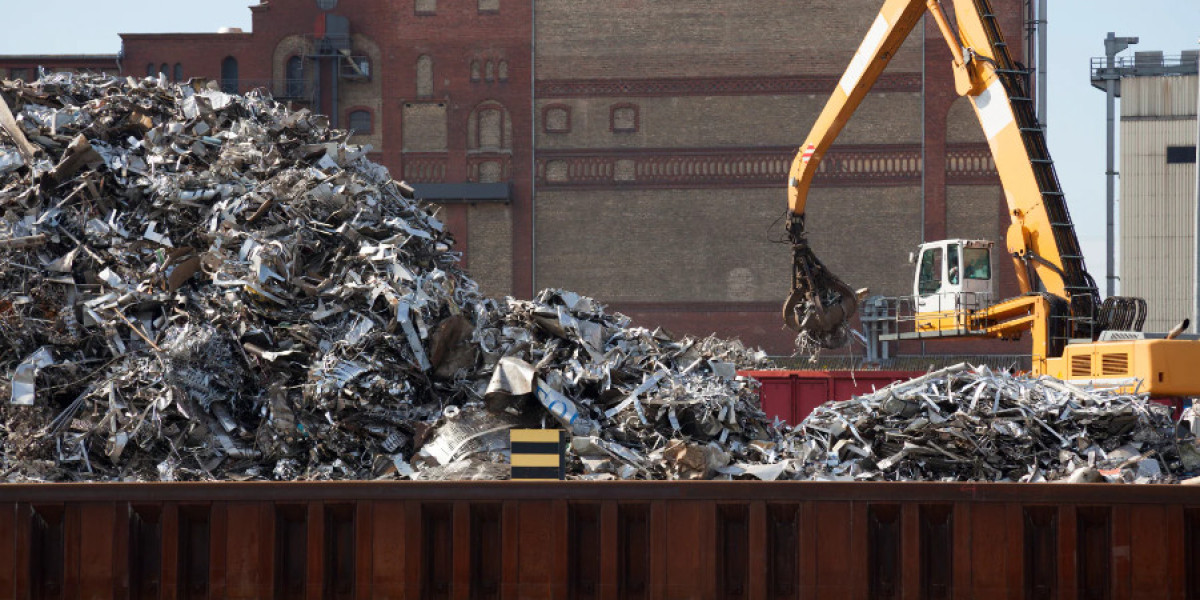

In today’s world, sustainability is a critical factor in various industries, and scrap metal processing and recycling play a pivotal role in the recycling chain. Scrap metal processors and recyclers are essential to reducing waste, conserving natural resources, and helping industries operate more efficiently. This article explores the importance of scrap metal processing and recycling, the steps involved, and its benefits to the environment and economy.
What is a Scrap Metal Processor & Recycler?
A scrap metal processor and recycler is a company or individual who handles the collection, processing, and recycling of scrap metal. Scrap metal is any metal material that is no longer in use, ranging from car parts, appliances, and industrial equipment to discarded construction materials. These materials can be either ferrous metals (containing iron, such as steel and cast iron) or non-ferrous metals (including aluminum, copper, and brass).
Scrap metal processors typically operate scrap yards or recycling facilities where metal is sorted, processed, and then sold to be repurposed for manufacturing new products.
The Scrap Metal Recycling Process
The process of recycling scrap metal involves several important steps:
Collection & Sorting: The first step in recycling scrap metal is collection. Scrap metal is gathered from various sources such as household waste, demolition sites, and industrial operations. Once collected, metals are sorted into ferrous and non-ferrous categories, as well as further divided based on the type of metal (aluminum, copper, steel, etc.).
Shredding & Crushing: After sorting, large pieces of scrap metal are shredded or crushed into smaller, more manageable sizes. This makes it easier to transport and process the material further. Shredding also helps to remove contaminants like plastic, rubber, or dirt that may be present in the metal.
Melting & Purification: Once shredded, the metal is then melted in large furnaces at high temperatures. For non-ferrous metals, this process is relatively straightforward, as these metals have a lower melting point. However, ferrous metals like steel and iron may require additional treatment to remove impurities.
Reforming & Repurposing: After melting, the purified metal is reformed into ingots, sheets, or other shapes that can be used by manufacturers to produce new products. These metals may be used in the production of automobiles, electronics, machinery, and building materials.
Distribution: Finally, the recycled metal is distributed to various industries to be used in manufacturing processes. Recycling helps companies save on raw material costs, as the recycled metals can often be cheaper than new metal extracted from the earth.
Benefits of Scrap Metal Recycling
The benefits of scrap metal processing and recycling extend far beyond simply reducing waste. Here are some key advantages:
Environmental Impact: Recycling scrap metal helps conserve natural resources and reduces the need for mining and drilling. Extracting raw metal from the earth is a resource-intensive process, which often leads to habitat destruction, pollution, and energy consumption. By recycling, the demand for virgin metals decreases, minimizing environmental damage.
Energy Conservation: Producing metal from scrap requires significantly less energy than extracting and refining new metal. For example, recycling aluminum saves up to 95% of the energy needed to make aluminum from bauxite ore. This energy savings translates into reduced carbon emissions, making scrap metal recycling a crucial part of efforts to combat climate change.
Economic Benefits: Scrap metal recycling provides a valuable source of raw material for manufacturers, creating jobs in the recycling industry, transportation, and logistics sectors. It also reduces the cost of raw materials for companies, boosting economic efficiency. Additionally, scrap metal is traded globally, contributing to international trade.
Waste Reduction: Scrap metal recycling helps divert significant amounts of waste from landfills. Metals like aluminum and steel can be recycled indefinitely without degrading in quality, making them a sustainable resource. This helps reduce the overall volume of waste sent to landfills, leading to cleaner, more sustainable communities.
The Role of Scrap Metal Processors in the Economy
Scrap metal processors are not just critical to recycling; they also support the broader economy by providing a continuous supply of affordable raw materials. Industries such as automotive manufacturing, construction, and electronics depend on recycled metals to keep costs down and reduce their reliance on non-renewable resources.
In addition, scrap metal processors often deal with large volumes of metal from industrial and commercial sectors, meaning they contribute to reducing operational costs for businesses. By buying and recycling scrap metal, processors help keep costs low and materials flowing in industries that need them most.
Challenges in Scrap Metal Recycling
While scrap metal recycling offers many benefits, it does face several challenges. One of the biggest obstacles is contamination, where non-metal materials like plastics or wood are mixed in with metal scrap, complicating the recycling process. Additionally, fluctuating market prices for metals can impact the profitability of scrap metal processing, as the value of recycled materials is subject to global commodity markets.
There are also regulatory and logistical challenges, as scrap metal recyclers must comply with environmental regulations and ensure safe, efficient processing. The complexity of the recycling process can require expensive equipment and technology, which can be a barrier for smaller processors.
Conclusion
Scrap metal processors and recyclers are vital to the global effort of reducing waste, conserving resources, and promoting sustainability. They transform discarded metal into valuable raw materials for industries around the world while contributing to a cleaner, greener planet. Through the recycling of metals, we reduce the need for mining, save energy, lower carbon emissions, and create jobs. As the demand for recycling continues to grow, the role of scrap metal processors will remain crucial in shaping a sustainable future for generations to come.