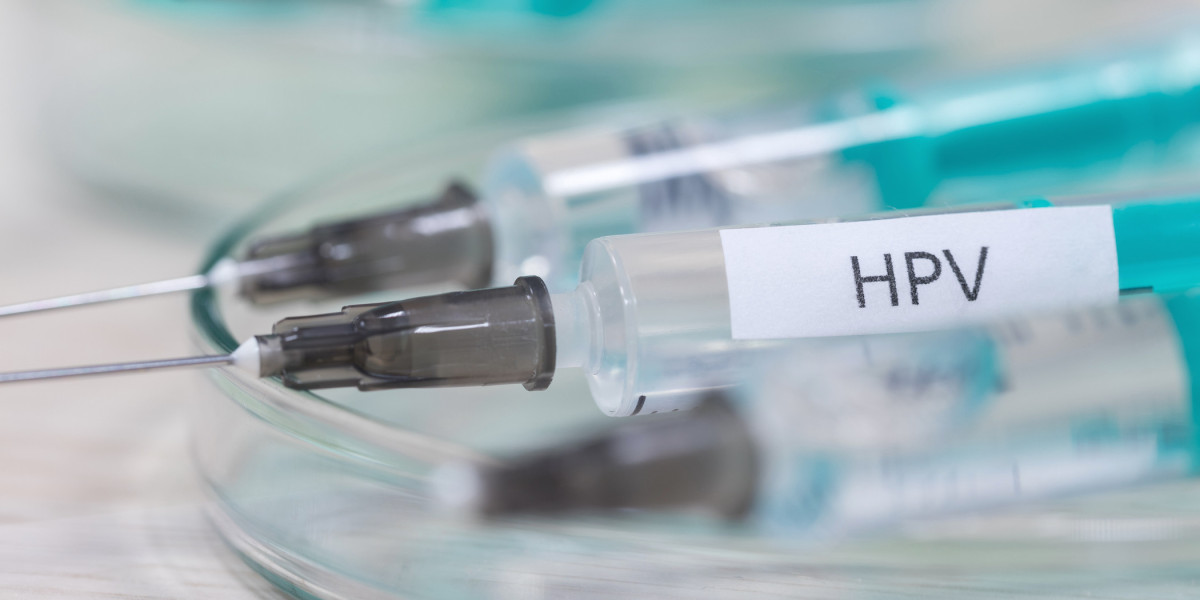

Human papillomavirus (HPV) is one of the most common sexually transmitted infections, and high-risk strains can lead to cervical, anal, and other HPV-related cancers. HPV testing is a crucial tool in preventive healthcare, yet many people have questions about the procedure, results, and implications. This guide addresses the most frequently asked questions about HPV Test in Dubai to help patients feel informed and confident about their sexual and reproductive health.
What Is an HPV Test?
An HPV test is a laboratory screening that detects high-risk strains of the virus in cervical, anal, or other relevant tissue samples. Unlike a Pap smear, which examines cells for abnormalities, the HPV test identifies the presence of viral DNA or RNA. This allows healthcare providers to monitor for infections that could lead to precancerous lesions or cancer, often before symptoms appear.
Who Should Get an HPV Test?
Women aged 21 and older are generally advised to begin cervical cancer screening, with HPV testing incorporated at age 25 or older as either primary testing or co-testing alongside a Pap smear. Men do not have routine HPV testing recommendations but may undergo targeted evaluations if they are in high-risk groups, such as men who have sex with men or individuals with HIV. People with compromised immune systems or previous abnormal screening results may also benefit from more frequent testing.
How Do I Prepare for an HPV Test?
Proper preparation improves test accuracy. Women should avoid scheduling the test during menstruation and refrain from sexual activity, douching, or using vaginal creams 24 to 48 hours before the exam. Men undergoing anal HPV testing should follow similar guidance to prevent contamination or insufficient cell collection. Following your healthcare provider’s instructions ensures reliable results.
Is the HPV Test Painful?
Most patients experience only mild discomfort or pressure during the procedure. For women, a swab or brush collects cervical cells, while men may have a swab taken from the anal canal or visible lesions. The procedure is brief, and relaxation techniques such as deep breathing can help reduce tension. Mild cramping or spotting may occur afterward but typically resolves quickly.
How Long Do HPV Test Results Take?
Results usually take anywhere from a few days to two weeks, depending on the laboratory and whether advanced genotyping is performed. Rapid testing options are available in some clinics. Results indicate whether high-risk HPV strains were detected, guiding the need for follow-up procedures or continued monitoring.
What Does a Positive HPV Result Mean?
A positive HPV test indicates the presence of high-risk viral strains. It does not mean cancer is present but signals the need for follow-up, such as colposcopy or biopsy, to check for abnormal cell changes. Many high-risk HPV infections clear naturally, yet persistent infections require monitoring to prevent precancerous lesions or cancer.
What Does a Negative HPV Result Mean?
A negative test means that no high-risk strains were detected at the time of testing. While this indicates low immediate risk, it does not guarantee lifelong immunity. Routine screening should continue according to age and risk-based guidelines, as new infections can occur later.
How Often Should I Get Tested?
Screening frequency depends on age, previous results, and risk factors. Women aged 21–24 are generally advised to have Pap smears every three years. Starting at age 25, primary HPV testing or co-testing is recommended, with intervals of three to five years depending on the method and findings. Men in high-risk groups may follow individualized testing schedules as advised by healthcare providers.
Can HPV Be Prevented?
HPV Test vaccination protects against the most common high-risk strains and is recommended for both boys and girls starting at ages 11–12, with catch-up vaccination up to age 26 and in some cases up to 45. Safe sexual practices, including consistent condom use and limiting the number of sexual partners, also reduce transmission risk. Regular screenings complement vaccination to maximize protection.
Common Misconceptions About HPV Testing:
Many people mistakenly believe a positive HPV test equals cancer, yet it only indicates the presence of high-risk strains. Others assume testing is unnecessary without symptoms, but most infections are asymptomatic. Understanding the facts encourages compliance with recommended screening schedules and proactive preventive care.
Conclusion:
HPV testing is a vital tool for early detection of high-risk infections that can lead to cancer. By addressing common questions about the procedure, results, preparation, and prevention, patients can approach testing with confidence. Combining regular HPV testing with vaccination, safe sexual practices, and routine follow-up ensures effective management of HPV-related health risks and long-term sexual and reproductive well-being.