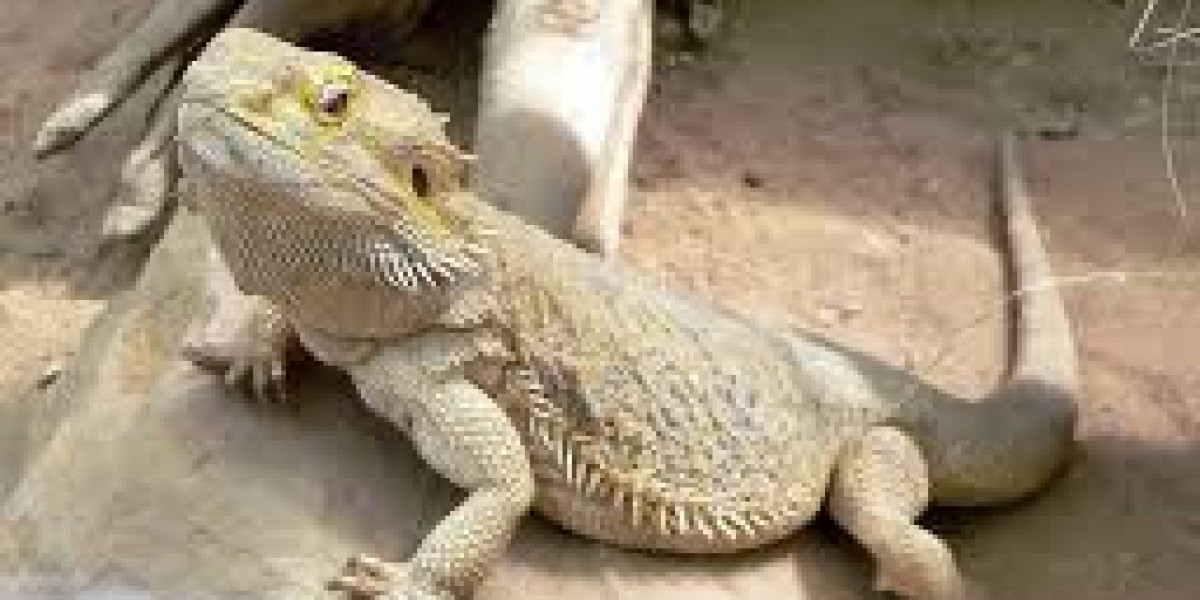

Essential Care Guide for Healthy Bearded Dragons
Providing proper care is essential for maintaining the health and comfort of bearded dragons. These reptiles have specific environmental and nutritional requirements that must be met consistently. Understanding daily care practices helps create a stable and supportive environment for long-term well being.
Creating the Right Habitat
A well-designed enclosure is the foundation of bearded dragon care. The enclosure should be large enough to allow natural movement and basking behavior. A temperature gradient is important, with a warm basking area and a cooler resting zone.
Heating and lighting should closely replicate natural conditions. UVB lighting supports calcium metabolism and helps prevent skeletal issues. Regular monitoring of temperature and light exposure is necessary to maintain consistency.
Importance of Proper Lighting and Heat
Bearded dragons rely on external heat sources to regulate their body temperature. Basking areas should provide sufficient warmth to support digestion and activity. At the same time, cooler areas allow the reptile to avoid overheating.
UVB lighting should be positioned correctly and replaced according to manufacturer guidelines, as its effectiveness decreases over time even if the light appears functional.
Feeding and Nutritional Balance
Bearded dragons are omnivores, requiring a mix of plant-based foods and insects. Leafy greens and vegetables form an important part of their diet, while insects provide protein. The balance of these foods changes as the dragon ages.
Supplementation with calcium and vitamins may be recommended to support bone health and overall development.
Daily Observation and Handling
Regular observation helps caregivers identify changes in behavior, appetite, or physical appearance. Gentle and consistent handling can help bearded dragons become accustomed to human interaction, reducing stress.
Handling should always be done calmly and with proper support to avoid injury.
Cleanliness and Health Monitoring
Maintaining a clean enclosure reduces the risk of bacterial growth and parasites. Food remnants and waste should be removed promptly. A routine cleaning schedule helps maintain a hygienic environment.
Veterinary checkups with reptile-experienced professionals support early detection of health concerns.
Conclusion
Proper care plays a vital role in supporting the health and longevity of bearded dragons. By providing appropriate habitat conditions, balanced nutrition, and attentive observation, caregivers can help ensure these reptiles remain active and comfortable. Consistent care practices create a stable environment that supports their natural behaviors and overall well being.