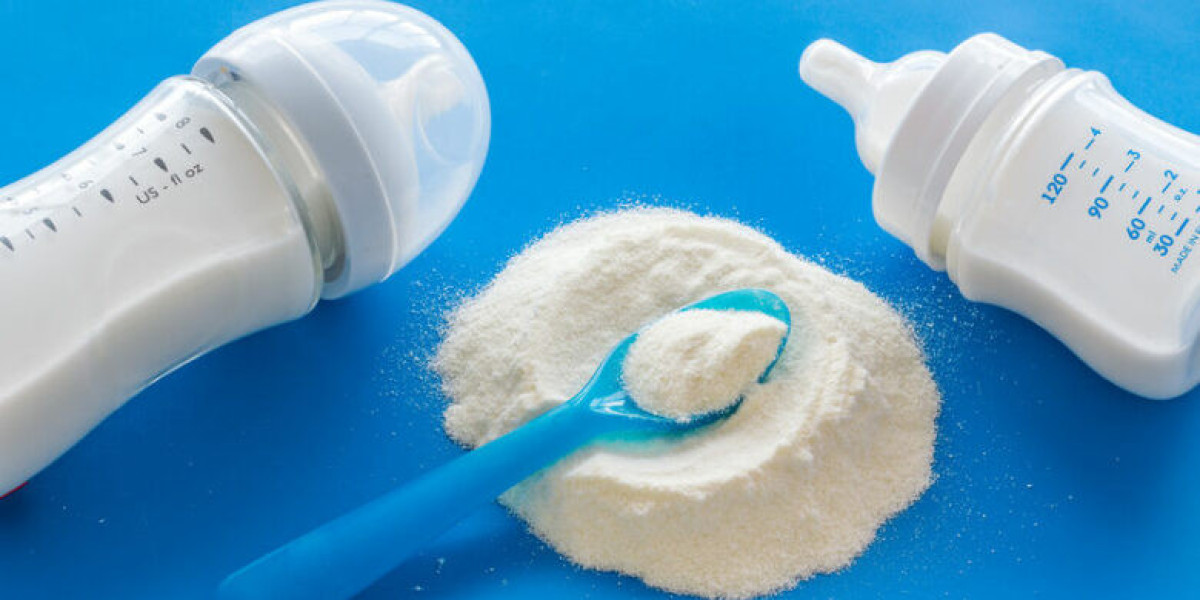

Choosing the Best Toddler Formula for Healthy Growth
Early childhood is a critical stage for physical, cognitive, and emotional development. During this period, proper nutrition plays a key role in supporting a child’s growth needs. Toddler formula is designed to complement a balanced diet by providing essential nutrients that may be difficult to obtain consistently from food alone.
For parents and caregivers in the USA, understanding how toddler formula supports growth can help guide informed nutritional choices.
Understanding Toddler Nutritional Needs
Toddlers experience rapid growth and development between the ages of one and three. Their bodies require adequate amounts of protein, healthy fats, vitamins, and minerals to support bone development, brain function, and immune health. Iron, calcium, vitamin D, and essential fatty acids are particularly important during this stage.
Toddler formula is developed to align with these nutritional needs, offering controlled nutrient levels that support steady growth without excessive intake.
How Toddler Formula Supports Growth
Toddler formula can help bridge nutritional gaps when dietary intake varies. Many toddlers go through phases of selective eating, which may limit exposure to certain nutrients. Formula provides consistent nutrition that supports muscle development, bone strength, and energy needs.
In addition, some formulas include nutrients that contribute to brain development and digestive comfort, helping toddlers adapt to changing dietary patterns.
Key Nutrients Found in Toddler Formula
Protein and Healthy Fats
Protein supports muscle growth, while healthy fats contribute to brain development and overall energy balance.
Vitamins and Minerals
Calcium and vitamin D support bone health, while iron contributes to cognitive development and oxygen transport in the body.
Digestive Support Components
Certain formulas include ingredients designed to support digestion and nutrient absorption, which can be helpful during early development.
Role of Toddler Formula in a Balanced Diet
Toddler formula is not intended to replace solid foods but to complement them. A balanced diet that includes fruits, vegetables, grains, and proteins remains essential. Formula can help ensure nutritional consistency during periods of dietary transition.
Combining whole foods with age-appropriate formula supports healthy eating habits while meeting developmental needs.
Safety and Feeding Considerations
Following age guidelines and preparation instructions is important for safe use. Toddler formula should be introduced as part of a broader nutritional plan rather than as the sole source of nourishment. Consulting a healthcare professional can help ensure dietary choices align with a child’s individual growth needs.
Conclusion
Choosing the best toddler formula for a child’s growth involves understanding nutritional requirements and developmental stages. When used appropriately, toddler formula can support healthy growth, complement a balanced diet, and provide nutritional consistency during early childhood. Thoughtful feeding practices help lay the foundation for long-term health and well-being.