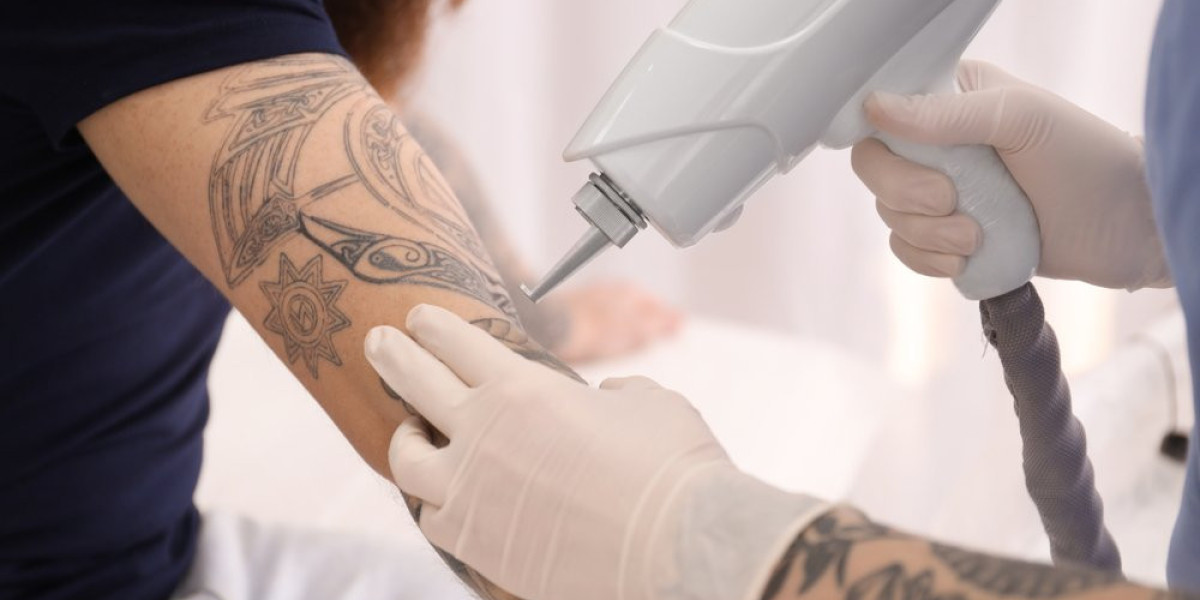

Getting a permanent tattoo removed is a serious decision, and Riyadh offers many modern options. Since permanent tattoos are inked deep into the dermis layer of the skin, simple creams or home remedies cannot remove them. The safest and most reliable methods are those performed by qualified professionals in clinical settings. In Riyadh, the most trusted approach is laser tattoo removal, followed by surgical excision for small tattoos. Other methods exist, but they often carry higher risk and less predictable results. Permanent tattoo removal in Riyadh has become increasingly popular as more people seek safe and effective ways to erase unwanted ink.
1. Laser Tattoo Removal (Safest and Most Effective)
Laser tattoo removal is widely regarded as the safest and most effective method for removing permanent tattoos. It uses high-intensity light pulses to break tattoo ink into tiny particles. The body’s immune system then gradually removes these particles over time. The process is gradual, which means complete removal usually requires multiple sessions. The number of sessions depends on tattoo size, ink color, depth, and how old the tattoo is.
Why Laser Is Considered Safe
Laser treatment targets the ink while leaving surrounding skin mostly unharmed. Modern laser machines allow the operator to adjust settings based on skin type and tattoo color. When performed by trained dermatologists or certified laser specialists, the risk of scarring or permanent skin damage is very low.
Types of Laser Used
There are mainly two types of lasers used in Riyadh:
Q-Switched Laser:
This is the traditional method and is effective for most dark-colored tattoos. It produces short, powerful bursts of energy to shatter pigment particles.
Pico Laser:
A newer technology that uses ultra-short pulses (picoseconds). It breaks ink into smaller particles, allowing the body to remove them more easily. Pico lasers generally require fewer sessions and reduce the risk of heat damage, making them ideal for sensitive skin types or difficult colors.
Common Side Effects
Temporary side effects are normal and expected. These may include redness, swelling, mild blistering, or scabbing. Most of these symptoms disappear within a few days. Proper aftercare is essential to avoid infection or pigmentation issues.
Risks and How to Reduce Them
Possible risks include:
Hyperpigmentation (skin becomes darker)
Hypopigmentation (skin becomes lighter)
Scarring (rare if done correctly)
To reduce risks, choose a reputable clinic with licensed dermatologists and modern laser equipment. Avoid cheap clinics or inexperienced technicians, as they often use outdated machines or improper settings.
2. Surgical Excision (For Small Tattoos Only)
Surgical excision is another safe method but is usually limited to small tattoos. In this procedure, the tattooed skin is surgically removed and the surrounding skin is stitched together. This method guarantees complete removal, but it will leave a scar.
When Surgical Excision Is Recommended
Small tattoos
Tattoos in areas where skin is flexible
Tattoos that did not respond to laser treatment
Risks
The main downside is scarring. However, when done by a qualified plastic surgeon, the scar can be minimized and placed in a natural skin fold to make it less visible.
3. Dermabrasion (Less Recommended)
Dermabrasion involves sanding down the top layers of the skin to remove tattoo ink. It is not as precise as laser and carries higher risk of scarring and pigmentation changes. This method is less common today because laser removal is more effective and safer.
Why It’s Less Safe
Dermabrasion affects the skin’s surface and may not reach deep ink particles. This can result in incomplete removal, uneven skin texture, and increased risk of infection.
What to Expect in Riyadh
Riyadh has many reputable dermatology clinics and cosmetic centers offering advanced tattoo removal services. Most clinics will start with a consultation to evaluate your tattoo, skin type, and health history. The doctor will recommend the best method and estimate the number of sessions required.
During treatment, the area is cleaned and sometimes numbed with a topical anesthetic. The laser is then applied in short bursts. The procedure is usually tolerable, but some patients feel a mild stinging sensation similar to snapping rubber.
After the session, the treated area will be red and slightly swollen. You may experience mild blistering or scabbing, which is part of normal healing. It is crucial to follow aftercare instructions, such as avoiding sun exposure, keeping the area clean, and applying prescribed ointments.
Tips for Safe and Successful Tattoo Removal
Choose a licensed dermatologist or experienced laser specialist.
Avoid unverified clinics or home laser devices.
Do not rush the process; multiple sessions are normal.
Follow all aftercare instructions strictly.
Avoid sun exposure before and after treatment.
Be realistic about results; some colors may not fully disappear.
Final Thoughts
Permanent tattoo removal in Riyadh is safest when done through professional laser treatments, especially using Q-Switched or Pico lasers. Surgical excision is also safe but only suitable for small tattoos. While other methods exist, they often carry higher risks and less reliable results. The key to a safe removal is choosing a reputable clinic, following aftercare instructions, and being patient throughout the process.