

Aromatherapy has been valued for centuries as a natural way to support emotional balance, relaxation, and holistic well-being. Among the many plant-based extracts available today, floral essential oils stand out for their delicate fragrances and deeply therapeutic profiles. Extracted from petals and blossoms, these oils are prized for their ability to calm the mind, uplift mood, and complement daily wellness rituals.
This article explores the art and science behind floral aromas and presents the top 10 floral essential oils commonly chosen for wellness-focused lifestyles, spa formulations, and personal care routines.
Why Floral Aromas Matter in Wellness
Floral aromas interact directly with the limbic system, the part of the brain associated with emotions and memory. This is why floral scents are often linked with relaxation, comfort, and emotional grounding. When used thoughtfully, they can enhance meditation, improve sleep environments, and elevate self-care experiences.
Key wellness advantages include:
Emotional balance and stress support
Gentle relaxation without heaviness
Pleasant, naturally derived fragrance profiles
Compatibility with skincare, diffusion, and massage blends
Top 10 Floral Essential Oils for Wellness
1. Lavender Oil
Lavender is widely recognized for its calming and balancing properties. Its soft, herbaceous-floral aroma makes it ideal for relaxation rituals, evening diffusers, and massage blends. Lavender is often chosen to support restful environments and emotional ease.
2. Rose Oil
Rose oil is associated with emotional warmth and self-care. Its rich, romantic aroma is commonly used in skincare and luxury wellness blends. Rose is often selected for moments that call for comfort, confidence, and emotional openness.
3. Jasmine Oil
Jasmine offers an intensely floral and slightly sweet fragrance. Traditionally used to uplift mood, it is frequently incorporated into aromatherapy routines aimed at positivity and emotional clarity. Its aroma is also popular in personal care formulations.
4. Ylang Ylang Oil
Known for its exotic and slightly fruity-floral profile, ylang ylang is valued for promoting relaxation and emotional harmony. It is commonly used in spa environments and calming diffuser blends.
5. Geranium Oil
Geranium provides a fresh, rosy scent with subtle green notes. It is often used in wellness routines focused on balance and emotional steadiness. Geranium is also appreciated for its versatility in skincare and home aromatherapy.
6. Neroli Oil
Derived from orange blossoms, neroli offers a light, citrus-floral aroma. It is frequently chosen for relaxation practices and refined fragrance blends. Neroli’s gentle profile makes it suitable for both daytime and evening use.
7. Chamomile Oil
Chamomile has a soft, apple-like floral aroma known for its soothing character. It is commonly used in relaxation-focused blends and bedtime routines, particularly where calm and comfort are priorities.
8. Magnolia Oil
Magnolia oil delivers a creamy, elegant floral scent. It is often selected for grounding and centering practices. Its refined aroma makes it a favorite in premium wellness and personal fragrance applications.
9. Tuberose Oil
Tuberose is known for its deep, luxurious floral fragrance. Often used in high-end aromatherapy and perfumery, it is associated with emotional richness and sensory indulgence.
10. Lotus Oil
Lotus oil offers a light, aquatic-floral aroma traditionally associated with mindfulness and meditation. It is commonly used to support inner calm and focused breathing practices.
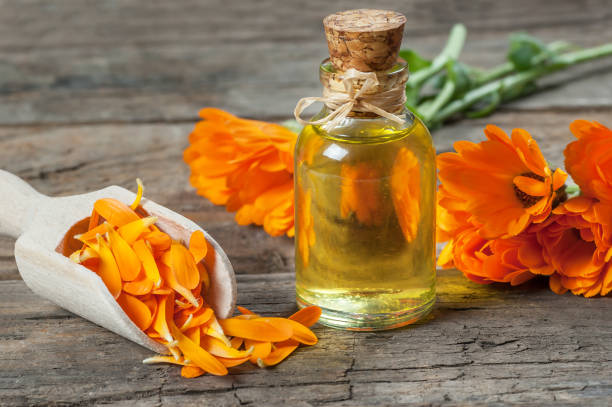
How to Use Floral Oils Safely and Effectively
Floral oils are highly concentrated and should be used with care. Common methods include:
Diffusion: Add a few drops to a diffuser to enhance mood and ambiance
Topical use: Always dilute with a carrier oil before skin application
Bath rituals: Combine with a dispersant or carrier oil for aromatic baths
Personal care: Incorporate into creams, lotions, or massage blends
Quality sourcing and proper extraction play a critical role in aroma integrity and safety. Suppliers such as Miracle Botanicals Essential Oils focus on controlled processing to preserve the natural character of each floral extract while maintaining consistency for wellness applications.
Choosing Quality Floral Oils
When selecting floral oils for wellness or commercial use, consider the following factors:
Botanical authenticity and sourcing transparency
Extraction method (steam distillation or solvent-free processes)
Aroma purity without synthetic additives
Batch consistency and quality testing
Reliable producers like Miracle Botanicals Essential Oils support informed buyers by emphasizing quality control and responsible sourcing across their floral oil range.
Conclusion
Floral aromas offer more than pleasant fragrance—they provide an experiential pathway to relaxation, emotional balance, and mindful living. From the gentle calm of lavender to the luxurious depth of rose and tuberose, each floral oil carries a unique aromatic story. When thoughtfully selected and properly used, these botanical extracts can enrich daily wellness rituals and elevate sensory experiences in a natural, meaningful way.
Frequently Asked Questions (FAQ)
Q1. Are floral oils suitable for daily aromatherapy use?
Yes, when used in moderation and properly diluted, they are commonly used in daily diffusion and self-care routines.
Q2. Can floral oils be applied directly to the skin?
Direct application is not recommended. Always dilute with a suitable carrier oil before topical use.
Q3. Which floral oil is best for relaxation?
Lavender, chamomile, and ylang ylang are widely chosen for calming and relaxation-focused routines.
Q4. Are floral aromas suitable for professional spa use?
Yes, many spas and wellness centers use floral oils for their gentle yet immersive aromatic qualities.
Q5. How should floral oils be stored?
Store them in dark glass bottles, away from heat and direct sunlight, to maintain aroma quality and shelf life.








