
HIV testing is essential for early detection, treatment, and prevention, but with multiple testing options available, choosing the right method can be confusing. Understanding the differences between rapid HIV tests and laboratory-based tests, their accuracy, timing, and practical considerations, empowers individuals to make informed health decisions.
What Are Rapid HIV Tests?
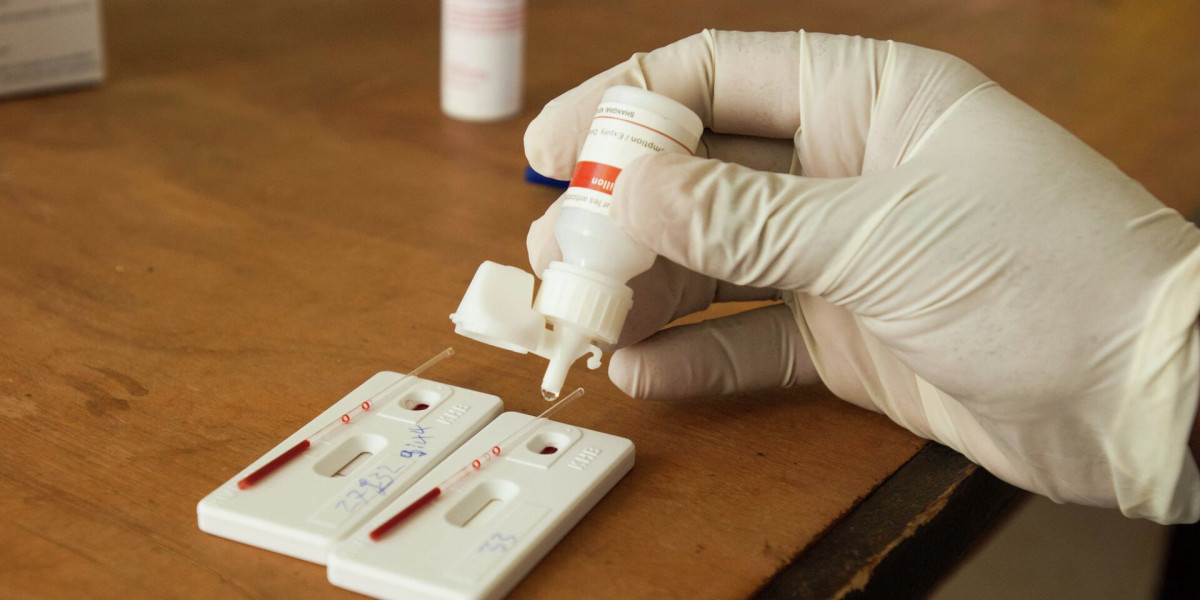
Rapid HIV Test in Dubai are designed to deliver quick results, often within 20–30 minutes. They detect antibodies or antigens using a finger-prick blood sample or an oral swab. Rapid tests are convenient, widely available in clinics, community centers, and approved home testing kits, and are ideal for individuals seeking immediate knowledge of their HIV status. Modern rapid tests are highly accurate when used correctly and are particularly useful for initial screening and early intervention.
What Are Laboratory-Based HIV Tests?
Laboratory-based tests are processed in clinical laboratories and can include antibody tests, antigen/antibody combination tests, and nucleic acid tests (NATs). These tests use venous blood or oral fluid samples, and results typically take a few days. Laboratory tests offer highly sensitive and specific results, making them ideal for confirmatory testing, early detection during the window period, and routine screening in healthcare settings.
Accuracy Comparison: Rapid vs. Laboratory Tests
Both rapid and laboratory-based HIV tests are highly accurate when used correctly, but there are differences:
Rapid Tests: Detect antibodies or antigens with high sensitivity and specificity. Slightly less sensitive in very early infection compared to laboratory-based NATs.
Laboratory Tests: Include fourth-generation antigen/antibody combination tests and NATs, which detect infection earlier during the window period and provide confirmatory accuracy.
Understanding the limitations of each test ensures that individuals interpret results correctly and seek follow-up testing if necessary.
Timing Considerations and the Window Period:
The window period—the time between exposure and detectable infection—affects which test is appropriate:
Rapid antibody tests: Reliable 3–12 weeks post-exposure.
Antigen/antibody combination tests: Detect infection within 2–6 weeks.
NATs: Detect viral RNA 10–33 days post-exposure.
Rapid tests are excellent for quick screening but may require follow-up testing during the early window period for individuals with recent high-risk exposure. Laboratory tests are more reliable for early detection.
Convenience and Accessibility:
Rapid HIV tests are widely accessible, require minimal equipment, and provide immediate results, making them convenient for clinics, community outreach programs, and home testing. Laboratory-based tests, while slightly less immediate, are available in most healthcare settings and provide comprehensive screening and confirmatory testing. Choosing between convenience and the earliest possible detection depends on personal needs, risk factors, and healthcare guidance.
Emotional and Psychological Considerations:
Rapid testing provides immediate results, which can reduce anxiety for individuals seeking quick answers. Laboratory tests, with slightly longer processing times, may allow more thorough counseling before receiving results. Both approaches emphasize confidentiality, support, and accurate interpretation to ensure emotional well-being during the testing process.
Cost and Accessibility Factors:
While pricing is often variable by region, rapid tests generally have lower logistical costs and are offered in community-based programs, making them accessible for screening large populations. Laboratory tests may be recommended by healthcare providers for higher accuracy, confirmatory testing, or early detection when exposure is recent. Both methods contribute to effective HIV prevention and detection strategies.
Which Test Is Right for You?
The choice between rapid and laboratory HIV tests depends on several factors:
Need for immediate results: Rapid tests are ideal.
Recent high-risk exposure: Laboratory tests, particularly NATs, may detect infection earlier.
Confirmatory testing: Laboratory-based methods provide definitive results.
Routine screening: Both methods are effective; rapid tests are convenient for repeated screenings.
Consulting a healthcare provider helps determine the most appropriate testing method based on personal risk factors, timing, and preventive health goals.
Integrating Testing Into Preventive Health:
Regardless of the test chosen, integrating HIV testing into preventive health practices is crucial. Regular testing, combined with PrEP, PEP, condom use, and monitoring of other sexually transmitted infections, strengthens long-term sexual health, reduces transmission risk, and promotes early intervention. Testing is a tool for empowerment, knowledge, and proactive health management.
Conclusion:
Both rapid HIV Test and laboratory-based tests play vital roles in HIV detection and prevention. Rapid tests offer convenience and immediate results, while laboratory tests provide high sensitivity, confirmatory accuracy, and early detection during the window period. Choosing the right test depends on timing, risk factors, and personal health goals. By understanding the differences and integrating regular testing into preventive care, individuals can maintain sexual health, reduce transmission risks, and take control of their long-term well-being.








