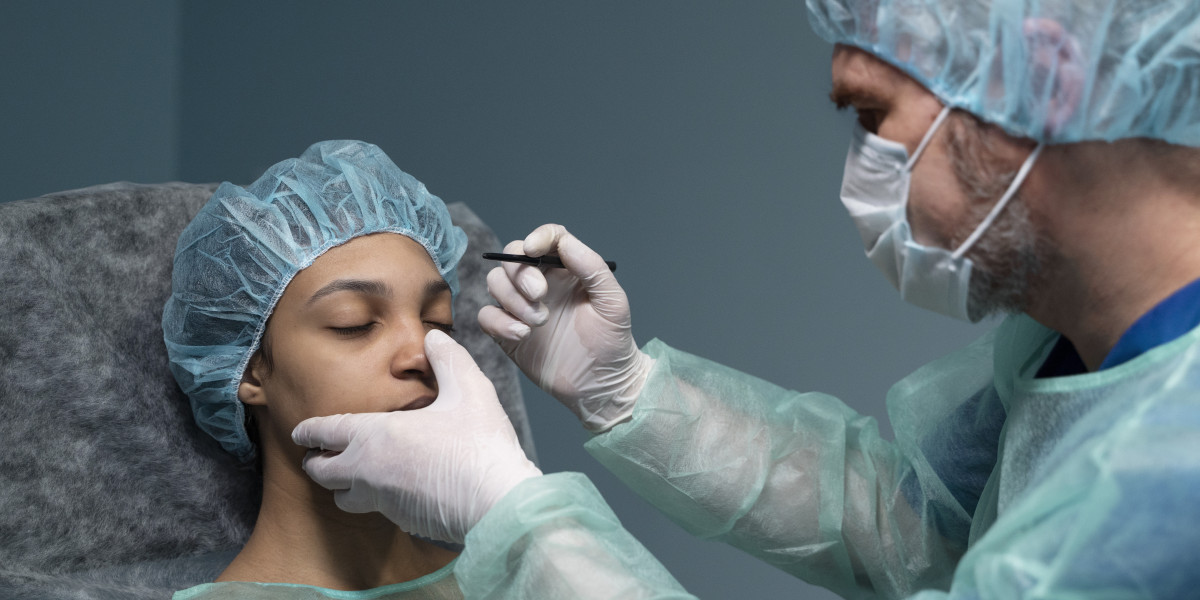
Choosing the right clinic Liposuction surgery in Riyadh is a critical step that goes beyond just looking at the price. In 2025, the Saudi medical landscape is highly regulated, providing several layers of protection for patients if you know what to look for.
Here is a roadmap for selecting a reputable clinic and surgeon in Riyadh.
1. Verify Credentials & Accreditation
In Riyadh, ensure the clinic and surgeon meet these three specific standards:
MOH Licensing: Every aesthetic clinic must be licensed by the Saudi Ministry of Health (MOH). You can usually find the license number on their website or displayed in the clinic lobby.
CBAHI Accreditation: Look for clinics accredited by the Saudi Central Board for Accreditation of Healthcare Institutions (CBAHI). This ensures the facility meets high safety and quality benchmarks.
Board Certification: Your surgeon should ideally be certified by the Saudi Board of Plastic Surgery or equivalent international boards (e.g., American, Canadian, or European Boards).
2. Evaluate the "Niche" Expertise
Different clinics in Riyadh excel in different areas. Matching your goal to their strength is key:
For High-Def/Athletic Results: Look for clinics like Enfield Royal or Aesthetic Clinic Riyadh, which specialize in VASER 4D and muscle etching.
For Holistic Transformation: Surgeons like Dr. Omar Fouda (Mayam Aesthetics) are highly regarded for combining liposuction with tummy tucks or fat grafting (BBL).
For Clinical Excellence: Large hospitals like Dr. Soliman Fakeeh Hospital or Kingdom Hospital offer the security of a full-scale medical infrastructure, which is ideal if you have any minor health concerns.
3. Red Flags to Watch For
Be cautious if a clinic in Riyadh exhibits any of the following:
Aggressive Discounts: While "offers" are common, a price that is significantly lower than the market average (e.g., under 6,000 SAR for a major area) may indicate a compromise on safety or an inexperienced surgeon.
Non-Surgeon Consultations: You should always meet with the operating surgeon during your initial consultation, not just a "sales coordinator" or "consultant."
Over-Promising: Avoid surgeons who promise "weight loss." Reputable doctors will emphasize "contouring" and may even turn you away if your BMI is too high for safety.
? Consultation Checklist (Questions to Ask)
Take these specific questions to your appointment to gauge the surgeon's transparency:
Experience: "How many liposuction procedures do you perform in Riyadh per month?"
Facility: "Is this procedure done in a certified Day Surgery Center or a full hospital? What is the emergency protocol?"
Technique: "Based on my skin elasticity, do you recommend VASER, Laser, or Traditional lipo, and why?"
Anesthesia: "Who will be administering my anesthesia? Is it a board-certified anesthesiologist?"
Revisions: "What is your policy if the results are asymmetrical or require a touch-up?"
? Useful Resources for Riyadh Patients
HeliumDoc / Tebcan: These platforms allow you to filter Riyadh surgeons by specialty, language (Arabic/English), and real patient reviews.
Social Media: Many Riyadh-based surgeons (like Dr. Fouda or Dr. Al Deeb) share Before & After videos on Instagram. This is a great way to see their "aesthetic style"—some favor a very natural look, while others prefer a more dramatic, "sculpted" result.
Would you like me to help you find the contact details or location for one of the specific clinics mentioned above?