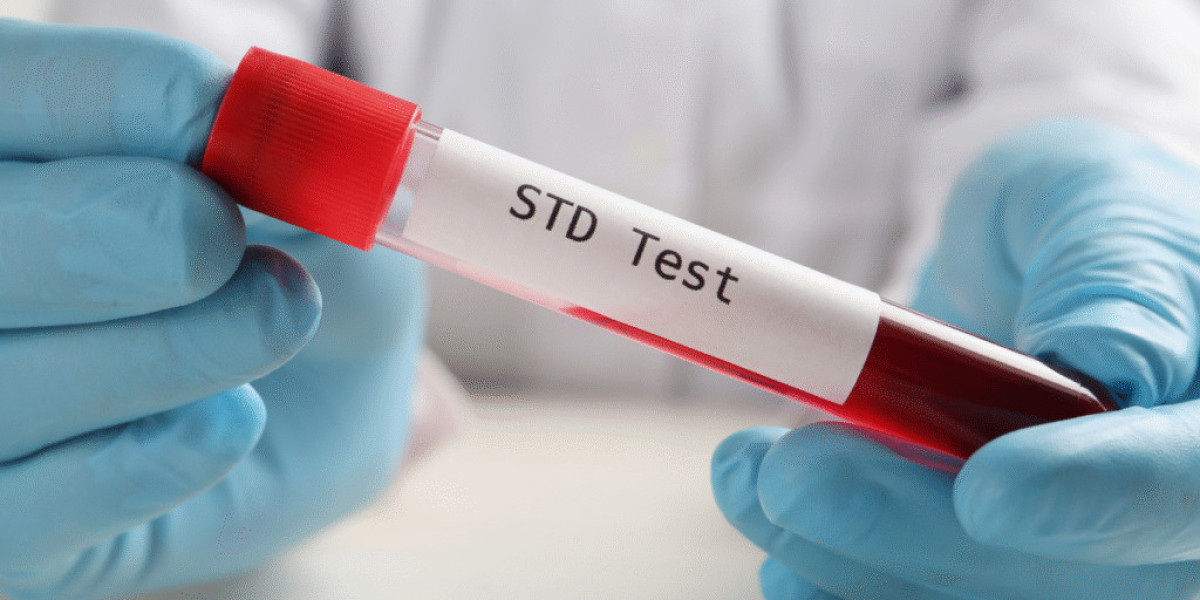

Taking an STD Test in Dubai is a vital part of maintaining sexual health, protecting your partner, and ensuring early detection of infections. However, many people are unsure how often they should undergo testing. Frequency depends on several factors, including sexual activity, number of partners, exposure risk, and personal health history. Understanding the right testing schedule ensures timely detection, effective treatment, and responsible sexual wellness.
Why Regular Testing Matters
Many sexually transmitted infections (STIs) are asymptomatic in their early stages. This means that even without visible symptoms, you could carry an infection and transmit it to your partner. Routine testing allows for:
Early diagnosis and timely treatment
Prevention of long-term health complications
Protection for sexual partners
Peace of mind and responsible healthcare practices
In Dubai, licensed clinics encourage regular testing as a proactive approach to sexual health.
Factors Influencing Testing Frequency
1. Number of Sexual Partners
Individuals with multiple sexual partners have a higher risk of exposure to STDs. Doctors recommend more frequent testing in such cases—often every 3–6 months—to ensure early detection.
2. Type of Sexual Activity
Different sexual behaviors carry different risks. Unprotected vaginal, anal, or oral sex increases the likelihood of contracting infections such as chlamydia, gonorrhea, HIV, or syphilis. People engaging in high-risk sexual activity should consider more frequent screening.
3. Relationship Status
Single or casual relationships: Regular testing every 3–6 months is recommended.
Committed monogamous relationships: Annual testing is often sufficient, provided both partners have tested negative initially.
Routine testing builds trust and ensures mutual protection in relationships.
4. History of Exposure or Unprotected Sex
Any unprotected sexual contact or potential exposure to an infected partner warrants immediate testing. Follow-up testing may be required after the window period for accurate results.
5. Personal Health Factors
Certain health conditions, weakened immune systems, or previous STD history may require more frequent testing, as advised by healthcare professionals.
Recommended Testing Intervals
Healthcare providers in Dubai generally recommend the following guidelines:
Every 6–12 months: For sexually active adults with low-risk exposure
Every 3–6 months: For individuals with multiple partners or high-risk sexual activity
After potential exposure: Immediate testing, followed by a follow-up test after the window period
These intervals ensure early detection and reduce the risk of long-term complications.
Comprehensive Screening Panels
Modern clinics in Dubai offer comprehensive STD testing panels, which may include:
Chlamydia
Gonorrhea
Syphilis
HIV
Hepatitis B and C
Herpes
Human Papillomavirus (HPV)
Tailored screening based on risk factors ensures accuracy and reliability, allowing doctors to provide personalized care.
The Role of Confidential Clinics
Confidentiality is a major concern for many seeking STD testing. Licensed clinics in Dubai prioritize:
Secure handling of patient records
Private consultations
Discreet sample collection and result delivery
This professional approach encourages individuals to maintain routine testing without fear of stigma or exposure.
Benefits of Routine Testing
Regular STD testing offers several advantages:
Early detection: Identifies infections before they cause complications.
Timely treatment: Allows doctors to prescribe effective medications and interventions.
Protection of partners: Reduces the likelihood of transmission.
Peace of mind: Knowing your status improves confidence and sexual wellbeing.
Preventive healthcare: Routine testing fosters a proactive approach to overall health.
By scheduling tests according to personal risk factors, individuals take control of their sexual health and long-term wellness.
How to Maintain a Testing Routine
Consult your healthcare provider: Discuss sexual activity and exposure risks to determine appropriate intervals.
Set reminders: Use digital calendars or health apps to schedule routine testing.
Keep track of results: Maintain a secure record of previous tests for follow-up purposes.
Communicate with partners: Encourage open discussions about testing schedules and sexual health.
Consistency is key to effective prevention and responsible sexual behavior.
Overcoming Stigma
Many people hesitate to undergo routine testing due to embarrassment or social stigma. However, proactive testing is a responsible, mature healthcare choice. Clinics in Dubai provide nonjudgmental, professional care to support patients in maintaining sexual wellness without fear.
Conclusion
Knowing how often to book an STD Test in Dubai is essential for maintaining personal and relational health. Testing frequency depends on sexual activity, exposure risk, relationship status, and personal health history. Following professional guidance ensures early detection, timely treatment, and protection of both yourself and your partner.
Routine STD testing is a safe, responsible, and effective practice that reflects care, maturity, and long-term commitment to sexual health. By embracing regular screenings, individuals can prevent complications, reduce transmission risks, and enjoy peace of mind, knowing their sexual health is actively monitored and safeguarded.