
Men’s health problems are often ignored or delayed due to hesitation, lack of awareness, or fear of surgery. One such condition is varicocele—a common yet treatable issue that affects many men, especially those facing infertility or persistent scrotal discomfort. Fortunately, medical science has introduced a highly effective, non-surgical solution known as varicocele embolisation.
This advanced procedure has transformed the way varicocele is treated, offering quicker recovery, minimal pain, and excellent success rates. In this guest post, we’ll explore what varicocele is, how embolisation works, who can benefit from it, and why it is increasingly preferred over traditional surgery.
What Is Varicocele?
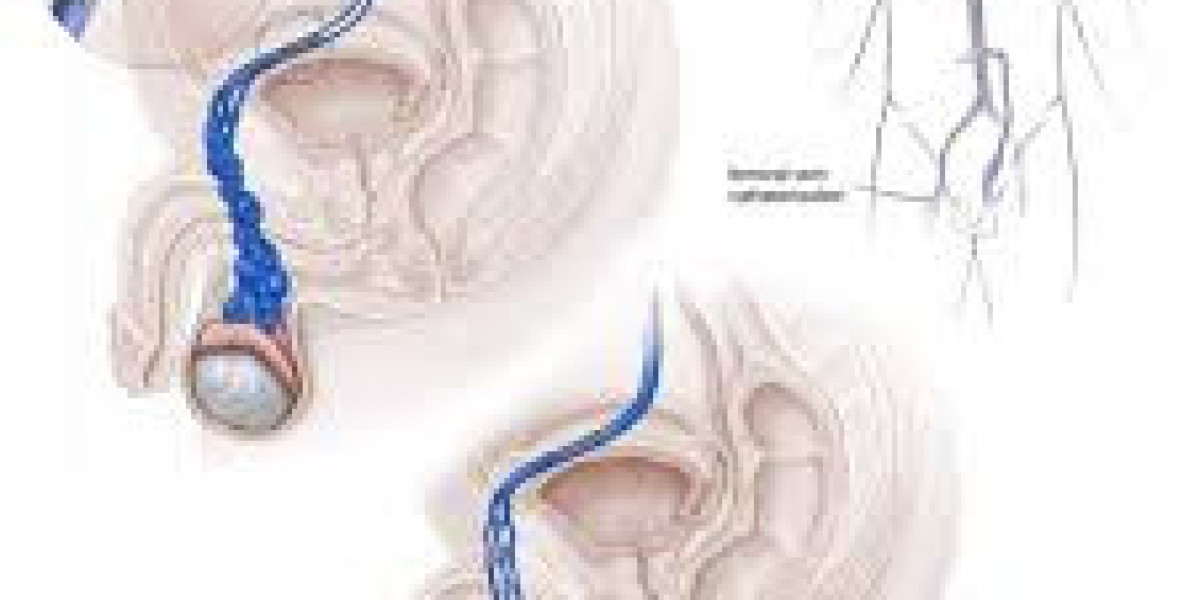
Varicocele is a condition in which the veins inside the scrotum become enlarged, similar to varicose veins that occur in the legs. These veins, called the pampiniform plexus, are responsible for draining blood from the testicles. When blood flow becomes impaired, the veins dilate, leading to increased temperature and pressure in the scrotum.
Common Symptoms of Varicocele
Dull or aching pain in the scrotum
Discomfort that worsens after standing or physical activity
Visible or palpable enlarged veins
Testicular shrinkage (in severe cases)
Male infertility or poor sperm quality
Many men may not experience obvious symptoms, which is why varicocele often goes undiagnosed until fertility issues arise.
How Varicocele Affects Male Fertility
Varicocele is one of the leading causes of male infertility. The increased temperature caused by poor blood drainage can negatively impact sperm production, motility, and overall quality. Studies show that treating varicocele can significantly improve sperm parameters and enhance the chances of natural conception.
Early diagnosis and timely treatment are crucial, especially for men planning to start a family.
Traditional Varicocele Treatment vs Modern Approaches
For years, open or laparoscopic surgery (varicocelectomy) was the primary treatment option. While effective, surgery involves incisions, anesthesia, longer recovery times, and potential complications such as infection or recurrence.
With medical advancements, minimally invasive techniques have gained popularity—none more so than varicocele embolisation.
What Is Varicocele Embolisation?
Varicocele embolisation is a non-surgical, image-guided procedure performed by an interventional radiologist. Instead of cutting or tying veins, the doctor blocks the faulty veins from the inside using tiny coils or medical glue, redirecting blood flow to healthy veins.
How the Procedure Works
A small catheter is inserted into a vein (usually in the groin or neck).
Using live X-ray guidance, the catheter is guided to the affected testicular vein.
Embolising agents (coils or liquid) are released to block abnormal blood flow.
Blood is rerouted through healthy veins, relieving pressure and symptoms.
The entire procedure typically takes 30–60 minutes and does not require general anesthesia.
Key Benefits of Varicocele Embolisation
1. Minimally Invasive
There are no surgical cuts or stitches. Only a tiny needle puncture is needed, making it safer and less intimidating.
2. Faster Recovery
Most patients can return home the same day and resume normal activities within 24–48 hours.
3. Minimal Pain and Scarring
Because there are no incisions, post-procedure pain is minimal and scarring is virtually nonexistent.
4. High Success Rate
Clinical studies show success rates comparable to, or better than, traditional surgery, with lower recurrence.
5. Improves Fertility Outcomes
Many men experience improved sperm quality and motility within months of the procedure.
6. Local Anesthesia Only
The procedure is performed under local anesthesia, reducing anesthesia-related risks.
Who Is an Ideal Candidate for This Procedure?
Varicocele embolisation is suitable for:
Men experiencing scrotal pain due to varicocele
Individuals diagnosed with infertility linked to varicocele
Patients seeking a non-surgical alternative
Men with recurrent varicocele after surgery
Those who want a quicker recovery and minimal downtime
A detailed evaluation by a specialist helps determine whether embolisation is the best option.
What to Expect Before and After the Procedure
Before the Procedure
Ultrasound and clinical examination
Semen analysis (if fertility is a concern)
Routine blood tests
Clear instructions regarding food and medications
After the Procedure
Mild discomfort for a day or two
Same-day discharge
Avoid strenuous activity for a few days
Follow-up appointments to monitor recovery and fertility improvement
Most patients notice relief from pain within weeks, while fertility improvements may be seen within 3–6 months.
Is Varicocele Embolisation Safe?
Yes, it is considered a very safe procedure when performed by an experienced interventional radiologist. Complications are rare and usually mild, such as temporary swelling or minor bruising at the catheter site.
Compared to surgery, embolisation has a lower risk of infection, hydrocele formation, and recurrence.
Why Awareness Matters
Despite being a common condition, varicocele is still under-discussed. Many men live with discomfort or infertility without realizing that a simple, effective treatment exists. Raising awareness about modern options empowers patients to seek timely care and make informed decisions.
Choosing the Right Treatment Center
When considering treatment, it’s important to choose a specialized center with expertise in minimally invasive vascular procedures. Experienced professionals, advanced imaging technology, and patient-focused care play a vital role in achieving the best outcomes.
Conclusion
Varicocele is a manageable condition, and thanks to medical advancements, treatment no longer has to mean surgery or long recovery times. Varicocele embolisation offers a safe, effective, and minimally invasive alternative that addresses both pain and fertility concerns with excellent results.
If you or someone you know is struggling with symptoms of varicocele or unexplained infertility, exploring modern treatment options could be life-changing. Early diagnosis, expert care, and the right procedure can restore comfort, confidence, and reproductive health.








