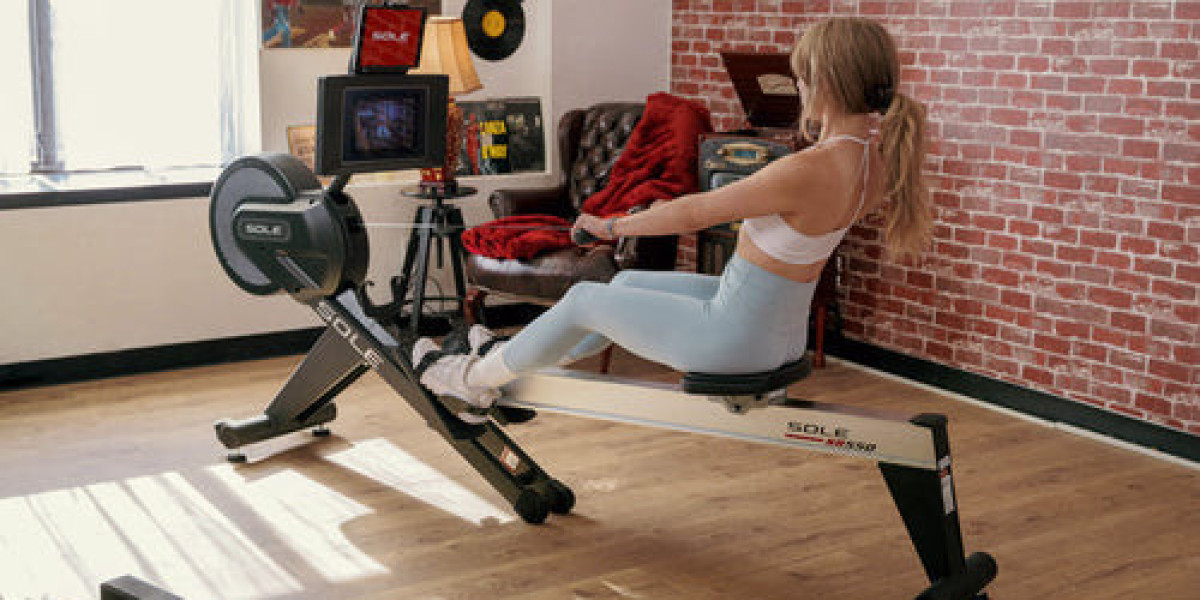

Using a rowing machine is a great way to get a full-body workout. It helps improve cardio fitness, build muscle, and burn calories. However, many people use the rowing machine with poor posture, especially beginners. Wrong posture can reduce workout results and may cause back, shoulder, or knee pain over time.
Why Good Posture Matters on a Rowing Machine
Correct posture helps you:
Avoid injuries
Use the right muscles
Burn more calories
Improve endurance
Get better workout results
Bad posture, on the other hand, puts stress on your lower back, neck, and knees. Over time, this can lead to pain and discomfort.
1. Rounding the Back
The Problem
One of the most common posture mistakes is rounding the back, especially during the pulling phase. Many people hunch their shoulders and curve their spine forward.
Why It’s Bad
Causes lower back pain
Reduces power in each stroke
Increases injury risk
The Fix
Sit tall with your chest open
Keep your spine straight, not curved
Imagine a string pulling your head upward
Engage your core muscles
Tip: Practice rowing slowly and focus on posture before increasing speed.
2. Leaning Too Far Back
The Problem
Some users lean too far back at the end of the rowing stroke, thinking it adds more power.
Why It’s Bad
Strains the lower back
Reduces control
Increases risk of injury
The Fix
Lean back only slightly (about 10–15 degrees)
Stop when the handle reaches your lower ribs
Keep your core tight
Tip: Controlled movement is better than overreaching.
3. Pulling with Arms Too Early
The Problem
Many people bend their arms too soon and rely only on arm strength.
Why It’s Bad
Weakens stroke power
Tires arms quickly
Reduces full-body benefits
The Fix
Push first with your legs
Then lean back slightly
Pull the handle last with your arms
Tip: Remember the order – legs, body, arms.
4. Incorrect Foot Placement
The Problem
Feet placed too high or too low on the foot straps.
Why It’s Bad
Reduces leg drive
Causes knee strain
Affects balance
The Fix
Adjust straps so they sit across the widest part of your foot
Heels should lift slightly, not completely
Feet should feel secure but comfortable
Tip: Proper foot setup improves power and control.
5. Locking the Knees
The Problem
Some users fully lock their knees at the end of the stroke.
Why It’s Bad
Puts stress on knee joints
Reduces smooth movement
The Fix
Keep knees slightly soft
Extend legs fully but without locking
Tip: Smooth motion protects your joints.
6. Shrugging the Shoulders
The Problem
Lifting shoulders toward the ears while pulling the handle.
Why It’s Bad
Causes neck and shoulder pain
Reduces arm efficiency
The Fix
Keep shoulders relaxed
Pull elbows back, not upward
Focus on squeezing shoulder blades
Tip: Relaxed shoulders mean better rowing form.
7. Moving Too Fast
The Problem
Rowing too quickly without control.
Why It’s Bad
Breaks proper form
Increases injury risk
Reduces workout quality
The Fix
Slow down and focus on technique
Maintain steady rhythm
Quality strokes are better than speed
Tip: Speed comes naturally with good form.
8. Poor Core Engagement
The Problem
Not using core muscles during rowing.
Why It’s Bad
Weakens stroke power
Increases back strain
The Fix
Tighten your core during each stroke
Sit tall and stable
Avoid slouching
Tip: A strong core protects your back.
9. Incorrect Handle Grip
The Problem
Gripping the handle too tightly.
Why It’s Bad
Causes wrist and forearm pain
Reduces control
The Fix
Hold handle lightly
Keep wrists straight
Relax your hands
Tip: Loose grip improves comfort and endurance.
10. Skipping Warm-Up and Cool-Down
The Problem
Starting fast without warming up or stopping suddenly.
Why It’s Bad
Increases muscle stiffness
Higher injury risk
The Fix
Warm up for 5 minutes at low intensity
Stretch after your workout
Tip: Warm muscles move better and safer.
Correct Rowing Posture Checklist
Before you start rowing, check:
Straight back
Relaxed shoulders
Core engaged
Proper foot placement
Smooth and controlled movement
Final Thoughts
Rower are excellent for full-body workouts, but correct posture is key. Small posture mistakes can lead to discomfort, poor results, and injuries. By fixing common posture problems and focusing on proper form, you can row more safely and get better fitness results.
Take your time, row with control, and listen to your body. With the right posture, every rowing session becomes more effective, comfortable, and enjoyable.