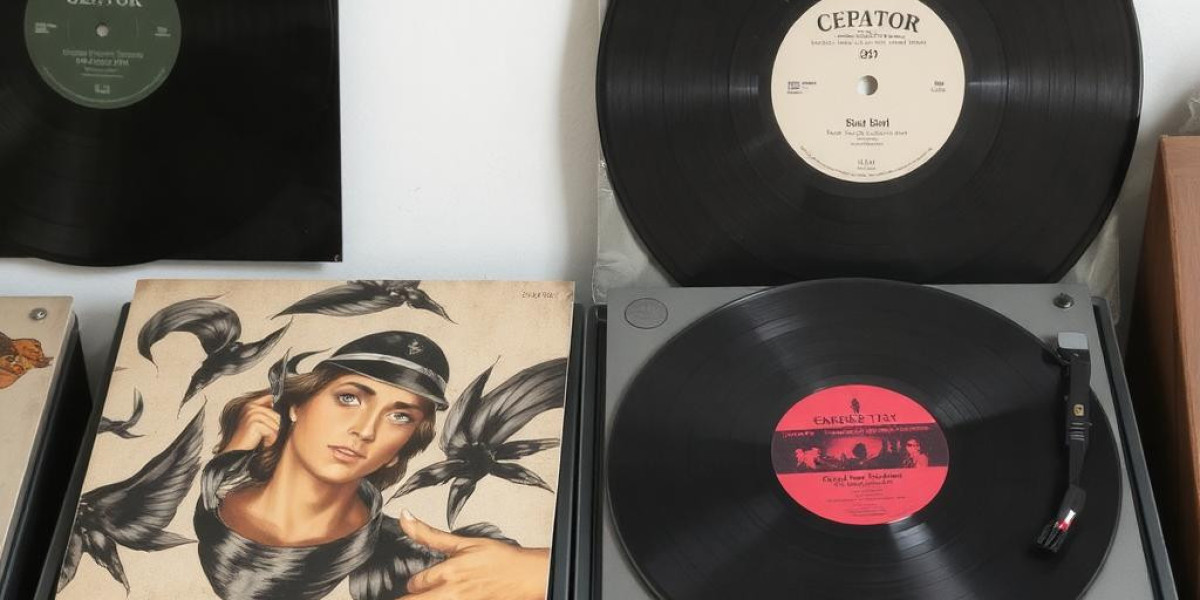

Yet, for the connoisseur of Bollywood's golden age, the preference is not rooted in nostalgia alone. There is a compelling, technical, and almost spiritual argument to be made that the classic Bollywood soundtrack is not merely played, but is profoundly experienced, through the analog medium of vinyl. The warmth is not a metaphor; it is physics, and it unlocks the soul of the music.
The fundamental reason lies in the nature of the recording process itself. The landmark Bollywood scores of the 1950s through the 1970s were recorded live, in single takes, with entire orchestras occupying studio floors. Instruments like the shehnai, sitar, sarangi, and tabla were captured alongside Western string sections and brass by microphones feeding directly to analog tape. This process preserved the full, continuous waveform of the sound—every subtle vibration, every harmonic, the natural decay of a note. Vinyl, as an analog format, is uniquely suited to reproducing this continuous signal. When you hear Lata Mangeshkar's voice on a vinyl pressing of "Mughal-e-Azam" or the complex percussion of R.D. Burman's arrangements on "Sholay," you are hearing a closer facsimile of that original magnetic tape impression. The sound retains its organic, rounded quality, where the edges of notes are not sharply defined by digital sampling but flow naturally.
This leads to the critical concept of dynamic range. Bollywood's best composers were masters of musical drama, crafting soundscapes that moved from whispered intimacy to sweeping crescendos. Consider the quiet longing in "Chingari Koi Bhadke" from "Amar Prem" followed by its impassioned climax, or the building tension in the score of "Gumnaam." Digital compression, often applied to make music louder and more uniform for casual listening, can flatten these peaks and valleys. Vinyl, by its physical limitations, resists this compression. The groove can only handle so much volume before the needle risks jumping, meaning the mastering engineer must preserve the natural dynamics. Consequently, the soft passages are truly soft, allowing the sudden swell of an orchestra or the punch of a dholak to arrive with its intended emotional and physical impact. The music breathes.
Furthermore, the specific tonal character of vinyl complements the instrumentation of classic Bollywood. The format naturally attenuates the very high frequencies that can sometimes render sitar or violin strings with a harsh, brittle quality in digital transfers. Instead, it emphasizes the mid-range where the human voice and the body of most traditional instruments reside. This results in that famed "warmth." Kishore Kumar's baritone gains a richer texture, the resonance of a tanpura deepens, and the flutter of a flute feels more woody and real. The gentle surface noise, far from being a defect, acts as an auditory veil, softening the listener's entry into the soundscape, much like the grain of a classic film photograph adds to its emotional texture.
Finally, the experience is one of intentionality. Playing a vinyl record is a ritual. It requires handling the physical artifact, carefully placing the needle, and committing to an entire side of music. This deliberate act fosters a deeper, more engaged form of listening. You are less likely to skip tracks, instead allowing the carefully sequenced side of an album—the ebb and flow conceived by the composer—to unfold as a complete narrative. This format honors the artistic integrity of albums like "Pakeezah" or "Guide," which were crafted as cohesive emotional journeys, not merely collections of disparate songs.
In essence, vinyl does not add something artificial to Bollywood music; it respectfully removes the barriers. It strips away the clinical precision of digital processing to reveal the human heartbeat underneath—the slight imperfections of a live orchestra, the breath behind a vocal, the dynamic passion of the composition. It returns the music to its original, analog context, offering not just better sound, but a more authentic connection to the artistic spirit that made it timeless. It is the difference between looking at a digitized image of a masterpiece and standing before the original canvas, feeling the texture of the paint. For the music that moved a nation, only the original canvas will do.
Bollywood Vinyl Records Classical Vinyl Records Devotional Vinyl Records Dialogue Vinyl Records Dj Lp Records English Vinyl Records Film Hits Vinyl Records Ghazals Vinyl Records Instrumental Vinyl Records Non Vinyl LP Punjabi Vinyl Vinyl Rare Vinyl Records Indian Vinyl Records