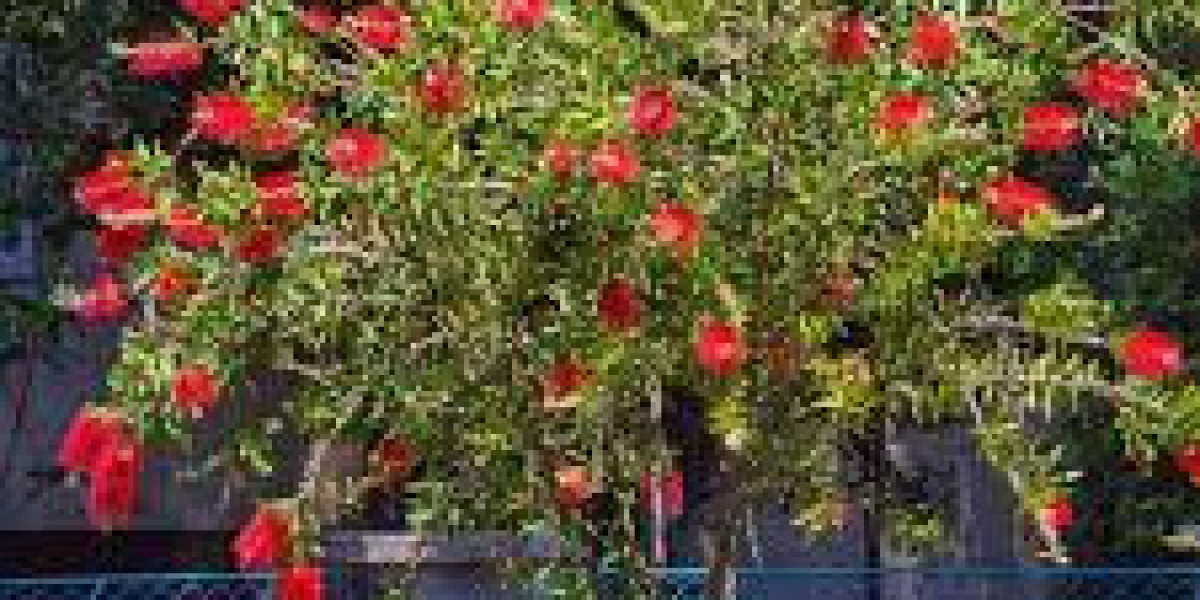

The bottle brush plant is a visually striking and versatile addition to gardens, admired for its vivid red, brush-like flowers that resemble the shape of a traditional bottle brush. Native to Australia, this plant—scientifically known as Callistemon—has become popular in many parts of the world for its hardiness, low maintenance, and ability to attract pollinators such as hummingbirds and bees.
Characteristics and Varieties
The bottle brush plant belongs to the Myrtaceae family and is typically grown as a shrub or small tree. Its cylindrical flower spikes bloom in late spring and summer, often returning in the fall. While red is the most common flower color, some varieties also produce pink, white, or purple blossoms, providing a broad palette for landscapers and gardeners.
Popular species include:
Callistemon citrinus – Known for its bright red flowers and lemon-scented leaves.
Callistemon viminalis – Features a weeping form and is well-suited to larger garden spaces.
Callistemon salignus – Offers cream or white flowers with pink new growth, adding unique visual interest.
Growing Conditions
Bottle brush plants thrive in sunny locations and prefer well-drained soil. They are drought-tolerant once established, making them ideal for xeriscaping and low-water landscapes. While they can survive light frosts, they grow best in USDA zones 8 to 11.
Regular watering is essential during the plant’s first year to establish a deep root system. Afterward, infrequent deep watering is sufficient. Pruning the plant after flowering helps maintain its shape and encourages denser growth.
Benefits and Uses
Beyond their ornamental appeal, bottle brush plants serve several functional purposes in landscaping. Their dense foliage provides effective privacy screening, and their nectar-rich flowers attract beneficial wildlife to the garden. These plants can also be used as erosion control on slopes due to their strong root systems.
In addition to aesthetic and ecological benefits, the bottle brush plant is relatively pest-resistant and easy to maintain. This makes it a favorite among novice and experienced gardeners alike.
Propagation
Bottle brush plants can be propagated through seeds or semi-hardwood cuttings. While seed propagation is straightforward, it may not guarantee true-to-type plants. For more reliable results, cuttings are often preferred. Soaking seeds in water for 24 hours before planting can enhance germination rates.
For those seeking high-quality propagation supplies, including tools and growing aids, visiting trusted horticultural retailers such as superiorhydrola.com can provide gardeners with everything they need to support healthy plant development.
Final Thoughts
The bottle brush plant is a brilliant choice for anyone looking to add vibrant color and structural interest to their outdoor space. Its adaptability, resilience, and beauty make it suitable for a variety of landscapes—from suburban backyards to public parks. Whether you’re cultivating a pollinator-friendly garden or simply want a standout ornamental shrub, the bottle brush plant is a rewarding option that brings both flair and function to your garden.