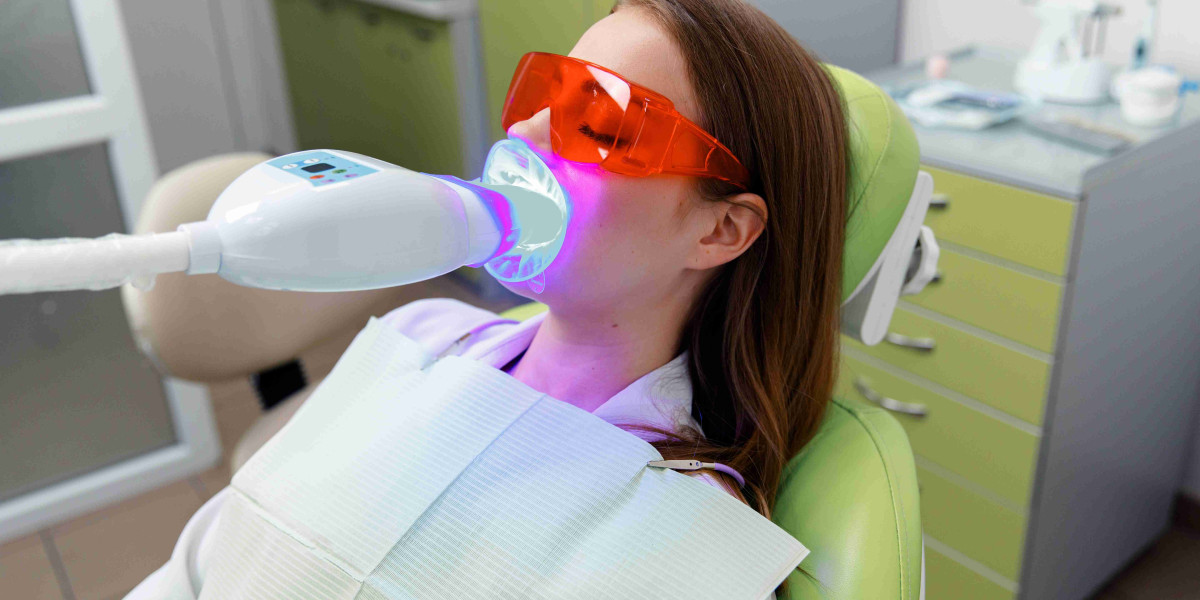

Having a bright, white smile is something many of us want. It's a quick confidence booster and can leave a great impression. Teeth whitening treatments have become a popular, easy way to achieve that look. From professional sessions at the dentist to over-the-counter strips and toothpastes, options abound. But there’s a catch: whitening your teeth too often or using strong products improperly can backfire. Overdoing it may cause problems that go beyond just cosmetic issues, affecting the health of your teeth and gums. So, it’s worth understanding the risks involved with excessive teeth whitening and how to protect your smile for the long haul. Let’s have a friendly chat about what you need to know before reaching for that next whitening kit.
How Teeth Whitening Actually Works
The Science Behind Whitening
Most teeth whitening products rely on bleaching agents like hydrogen peroxide or carbamide peroxide. These agents penetrate the enamel, breaking apart stains that have built up over time due to food, drinks, smoking, or natural ageing. Professional treatments typically use higher concentrations of these agents but are applied under careful supervision to avoid damage. In contrast, home kits usually have lower strengths, but improper or excessive use can still cause harm.
Why More Whitening Isn’t Always Better
It might seem obvious that the more whitening you do, the whiter your teeth will get—but that’s not quite how it works. Enamel, the hard outer layer of your teeth, can only tolerate so much bleaching before it starts to weaken. Overusing whitening products can lead to sensitivity, enamel erosion, and gum irritation. Understanding this balance is key to maintaining a healthy smile.
The Hidden Risks of Excessive Teeth Whitening
Increased Tooth Sensitivity
One of the most common side effects is tooth sensitivity. Bleaching agents can temporarily soften the enamel and expose the underlying dentin, which houses sensitive nerves. This exposure leads to discomfort or sharp pain when eating or drinking hot, cold, or sweet items. While mild sensitivity after treatment is normal and usually short-lived, excessive whitening can prolong or worsen it, affecting daily comfort.
Enamel Erosion – A Serious Concern
Your enamel acts like a shield, protecting teeth from decay and damage. Unfortunately, it doesn’t regenerate once it wears away. Frequent whitening can erode this protective layer, leaving your teeth more vulnerable to:
- Cavities and tooth decay
- Staining from foods and drinks
- Cracks or chips due to weakened structure
This irreversible damage makes enamel erosion one of the most significant risks of over-whitening.
Gum Irritation and Damage
The soft tissues in your mouth, like your gums, aren’t designed to withstand strong bleaching agents. If whitening gels or strips come into prolonged contact with your gums, they can cause redness, soreness, or even chemical burns. This irritation isn’t just uncomfortable—it can lead to gum recession or infections if left untreated. Poorly fitting whitening trays or excessive application increase this risk significantly.
Signs You May Be Overdoing It
Knowing when you’ve crossed the line is vital for protecting your oral health. Here are some red flags to watch for:
Persistent or Severe Sensitivity
If sensitivity lasts beyond a few days or worsens after each whitening session, it’s a sign your teeth need a break.
Noticeable Changes in Tooth Appearance
Look for signs like thinning enamel, transparency at the edges, or an overall fragile look to your teeth. These may indicate enamel erosion.
Ongoing Gum Discomfort
If your gums stay sore, red, or bleed after whitening, this could be a sign of chemical irritation or damage. Don’t ignore these symptoms.








