Helping children feel comfortable about dental visits starts early, and understanding how to prepare child for pediatric dentist appointments can make a significant difference in their long-term oral health. For families seeking a Pediatric Dentist in Dubai, creating a positive first impression is essential, and clinics like Dynamic Life Clinic emphasize a child-friendly approach that reduces anxiety and builds trust from the very first visit.
Why Early Preparation Matters
Children often develop lifelong attitudes toward dental care based on their earliest experiences. A calm and supportive introduction to dental visits helps prevent fear and resistance later on. When preparation is handled thoughtfully, children are more likely to cooperate, making examinations smoother and more effective.
A positive mindset also encourages better oral hygiene habits at home. When children see dental visits as routine rather than intimidating, they become more open to brushing, flossing, and regular checkups.
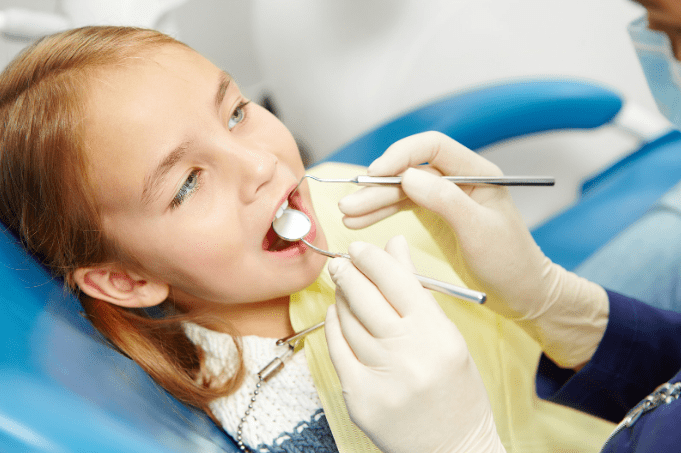
Start With Honest and Simple Conversations
Children respond best to clear and age-appropriate explanations. Avoid overwhelming them with too much information or using complicated terms. Instead, focus on simple descriptions of what they can expect.
- Explain that the dentist will “count and check their teeth”
- Use friendly and reassuring language
- Avoid negative words like “pain,” “hurt,” or “injection”
Answer questions calmly and honestly, as children can easily sense uncertainty or anxiety. Keeping the tone light helps them feel safe and understood.
Use Role Play to Build Familiarity
Turning the dental visit into a playful activity can help remove fear of the unknown. Role-playing at home allows children to become familiar with what will happen during the appointment.
- Pretend to be the dentist and examine their teeth
- Let them take turns playing the dentist
- Use a toothbrush as a “tool” to demonstrate cleaning
This playful interaction helps children understand the process and feel more in control.
Choose the Right Time for the Appointment
Timing plays a key role in how children respond to dental visits. Scheduling the appointment when your child is well-rested and in a good mood can make a noticeable difference.
Morning appointments often work best, as children are typically more cooperative and less tired. Avoid booking visits during nap times or when they are likely to feel hungry or irritable.
Introduce Dental Visits Through Books and Videos
Children learn effectively through visual and storytelling methods. Introducing dental visits through books, cartoons, or videos can make the experience feel familiar and less intimidating.
Look for content that portrays dental visits in a positive and engaging way. Seeing other children have a calm and pleasant experience helps normalize the idea.
Create a Positive Association
Reinforcing good behavior with positive encouragement helps children feel proud of their experience. Focus on praising their bravery and cooperation rather than offering rewards beforehand.
- Celebrate their effort after the visit
- Use encouraging words like “You did great!”
- Keep the tone upbeat and supportive
Avoid using dental visits as a threat or punishment, as this can create fear and resistance.
Prepare for Sensory Experiences
Dental clinics involve new sounds, sights, and sensations that may feel overwhelming for children. Preparing them for these sensory elements can help reduce surprise and discomfort.
- Explain that they might hear buzzing or humming sounds
- Mention that a bright light will help the dentist see their teeth
- Reassure them that the dentist will be gentle
Familiarity with these elements helps children feel more in control during the visit.
Stay Calm and Supportive
Children often mirror their parents’ emotions. If you appear anxious or tense, your child may pick up on those cues and feel nervous as well.
Maintain a calm and relaxed demeanor before and during the appointment. Offering reassurance through body language and tone can help your child feel secure.
If allowed, staying nearby during the checkup can provide additional comfort, especially for younger children.
Dress Comfortably and Arrive Early
Simple preparations like comfortable clothing and arriving early can make the experience smoother. Tight or restrictive clothing can add unnecessary discomfort, while rushing can increase stress levels.
Arriving a few minutes early allows your child to:
- Get familiar with the environment
- Observe other children calmly interacting with staff
- Adjust to the new setting without pressure
This extra time helps ease the transition into the appointment.
Encourage Independence Gradually
As children grow, encouraging independence during dental visits can help build confidence. Allow them to answer simple questions from the dentist or sit in the chair on their own.
Gradual independence fosters a sense of responsibility and reduces reliance on parental reassurance over time.
Maintain a Consistent Oral Care Routine
Preparation doesn’t start on the day of the appointment. A consistent oral care routine at home plays a vital role in shaping your child’s attitude toward dental health.
- Brush twice daily with supervision
- Introduce flossing when appropriate
- Make oral care a fun and regular activity
When dental hygiene becomes part of daily life, professional visits feel like a natural extension rather than something unfamiliar.
Address Fear With Patience
If your child shows signs of fear or resistance, approach the situation with patience rather than pressure. Forcing a child into a dental visit without proper preparation can reinforce anxiety.
Instead:
- Acknowledge their feelings
- Offer reassurance and support
- Take small steps toward building comfort
Over time, consistent positive experiences help reduce fear and build trust.
Conclusion
Understanding how to prepare child for pediatric dentist visits involves a combination of communication, preparation, and emotional support. By creating a calm and positive environment, parents can help children develop a healthy relationship with dental care. For families seeking a Pediatric Dentist in Dubai, focusing on early preparation ensures smoother visits and fosters lifelong oral health habits.