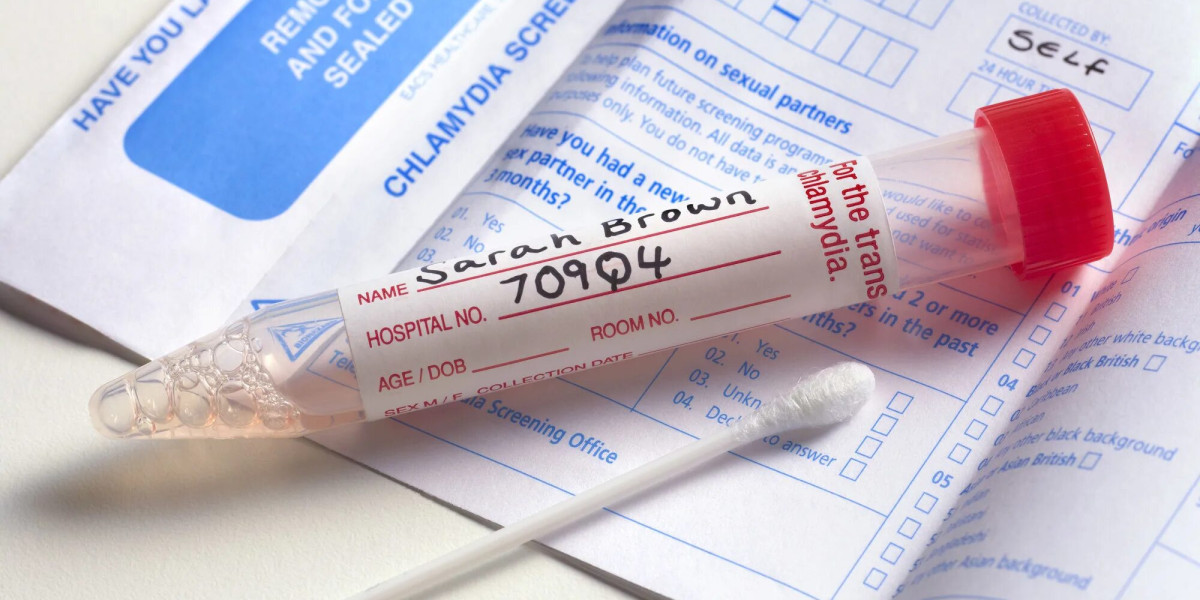

Sexually transmitted infections remain a major public health concern, and chlamydia continues to be one of the most commonly reported bacterial STDs. Despite its prevalence, many people still misunderstand how a Chlamydia Test in Dubai works and why routine testing is so important. Because chlamydia often develops without obvious symptoms, testing plays a critical role in early detection, effective treatment, and long-term sexual health.
What Is a Chlamydia Test?
A chlamydia test is a medical diagnostic procedure designed to detect the presence of the bacterium Chlamydia trachomatis in the body. Unlike infections that cause immediate discomfort, chlamydia can remain hidden for weeks or even months. This is why laboratory testing, rather than symptoms alone, is the most reliable way to confirm infection.
Modern STD testing focuses on accuracy, speed, and minimal discomfort. Most chlamydia tests are highly sensitive, capable of identifying even small amounts of bacterial genetic material in urine or swab samples.
How Chlamydia Spreads and Why Detection Is Crucial?
Chlamydia is transmitted through sexual contact, including vaginal, anal, and oral sex. Because it does not always cause symptoms, many people unknowingly pass the infection to partners. This silent transmission is one of the main reasons chlamydia rates remain high worldwide.
Early detection through a chlamydia screening test helps stop the spread of infection and prevents serious complications. Untreated chlamydia can lead to pelvic inflammatory disease, infertility, ectopic pregnancy, and chronic pelvic pain in women. In men, it can cause urethral infections, testicular pain, and potential fertility issues. Regular testing protects both individual and public health.
The Science Behind How a Chlamydia Test Works:
Most chlamydia tests use nucleic acid amplification testing, commonly known as NAAT. This advanced method detects the DNA or RNA of the chlamydia bacteria rather than relying on visible bacterial growth. Because of this, NAATs are extremely accurate and can identify infections even at early stages.
Once a sample is collected, it is processed in a laboratory where the genetic material is amplified. If chlamydia DNA is present, the test returns a positive result. If not, the result is negative. This technology has significantly improved the reliability of STD diagnosis compared to older testing methods.
Types of Samples Used in Chlamydia Testing:
The type of sample required for a chlamydia test depends on anatomy, symptoms, and sexual practices. Urine samples are commonly used and are especially popular because they are non-invasive and easy to collect. Swab samples may be taken from the cervix, vagina, urethra, rectum, or throat to detect infections in specific areas of exposure.
Choosing the correct sample site is essential for accurate results. This is why open communication with a healthcare provider is important when undergoing STD screening.
Who Should Get Tested and How Often?
Chlamydia testing is recommended for anyone who is sexually active, especially those with new or multiple partners. Many health guidelines advise routine screening for young adults due to higher infection rates in this group. Testing is also strongly recommended after unprotected sex or if a partner has been diagnosed with a sexually transmitted infection.
Even individuals in long-term relationships may benefit from periodic testing, particularly if there is any uncertainty about exposure. Regular STD testing supports early treatment and reduces the risk of reinfection.
Signs and Symptoms That May Indicate the Need for Testing:
While many people experience no symptoms, some may notice warning signs that suggest the need for a chlamydia test. These can include unusual vaginal or penile discharge, pain or burning during urination, pelvic discomfort, pain during sexual intercourse, or testicular tenderness.
Rectal chlamydia infections may cause pain, discharge, or bleeding, while throat infections may present with mild irritation. Because these symptoms can overlap with other conditions, testing is the only way to confirm chlamydia accurately.
Preparing for a Chlamydia Test:
Preparation for a chlamydia test is usually simple. For urine-based tests, avoiding urination for at least one hour beforehand may improve accuracy. Swab tests typically require no special preparation.
Being honest about symptoms, sexual activity, and potential exposure allows healthcare professionals to select the most appropriate testing approach. This ensures reliable results and appropriate follow-up care.
Interpreting Chlamydia Test Results:
Chlamydia test results are generally clear and easy to understand. A negative result means no infection was detected at the time of testing. A positive result indicates an active infection that requires treatment.
If the test is positive, prompt treatment with antibiotics is essential. Most people respond well to treatment when it is taken as prescribed. It is also important to inform recent sexual partners so they can seek testing and treatment if necessary.
In some cases, testing too soon after exposure may lead to a false-negative result. If symptoms persist or exposure was recent, repeat testing may be advised.
Why Chlamydia Testing Matters Beyond Diagnosis?
The importance of a chlamydia test extends beyond simply identifying an infection. Testing helps prevent long-term reproductive health complications and reduces the spread of sexually transmitted diseases within communities. It also promotes informed decision-making and healthier relationships.
Routine chlamydia screening is a key part of preventive healthcare. By detecting infections early, individuals can avoid complications, protect fertility, and maintain confidence in their sexual health.
Chlamydia Test and Treatment: What Comes Next?
Once chlamydia is diagnosed, treatment usually involves a short course of antibiotics. During treatment, it is recommended to avoid sexual activity until the infection has fully cleared. Follow-up testing may be suggested to confirm successful treatment, especially if there is a risk of reinfection.
Practicing safe sex, using protection consistently, and maintaining regular STD testing schedules are effective strategies for preventing future infections.
Final Perspective on Chlamydia Testing:
Understanding how a Chlamydia Test works and why it matters empowers individuals to take control of their sexual health. Because chlamydia often shows no symptoms, testing remains the most reliable defense against undetected infection and long-term complications.
By prioritizing regular screening and acting promptly on test results, individuals can protect themselves, their partners, and their future health. A chlamydia test is not just a medical procedure; it is a proactive step toward responsible and informed sexual well-being.