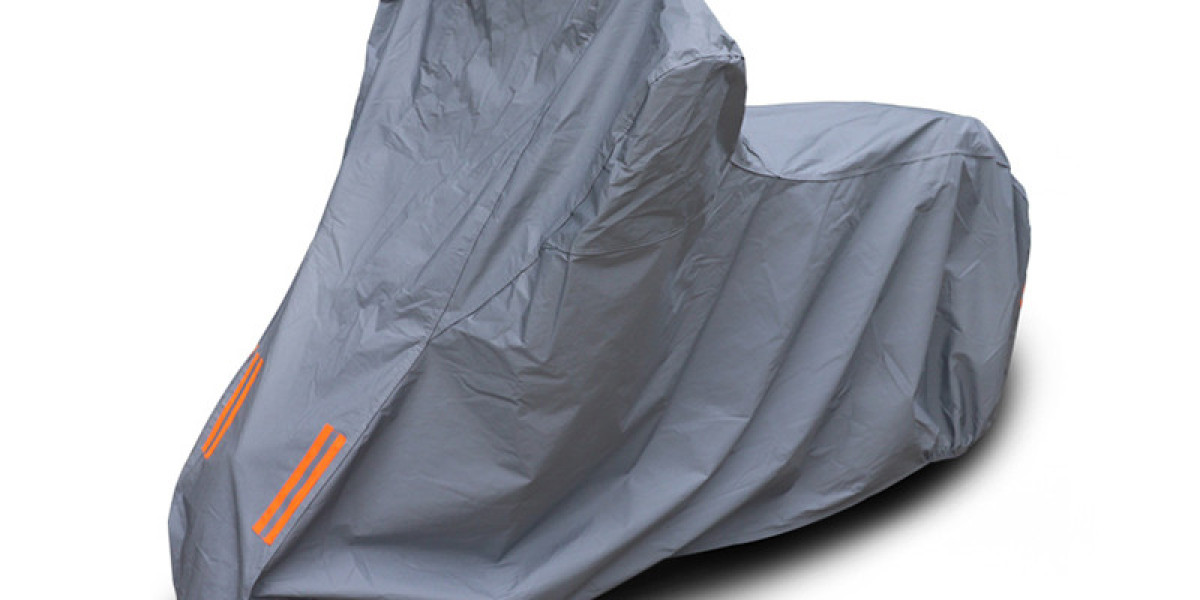

The protective value of a motorcycle cover is not solely determined by its purchase specifications; proper usage and ongoing care are equally important for its performance and longevity. Correct installation is the first step. Before placing the motorcycle cover, ensure the bike's surface is clean and dry. Covering a dirty motorcycle can trap grime against the paint, and covering a wet bike will trap moisture underneath, defeating the purpose. When putting on the cover, drape it evenly from the top, allowing it to fall smoothly over the sides. Avoid dragging the cover across the ground and then over the bike, as this will transfer dirt and grit to the inner lining. Secure all straps or use the elastic hem to achieve a snug fit that minimizes wind flap, which can cause wear on both the cover and the motorcycle's finish.
Regular maintenance of the motorcycle cover itself is necessary. Even the best cover will accumulate dirt, pollen, and environmental contaminants on its outer surface over time. It is recommended to clean the cover periodically according to the manufacturer's instructions. Many fabric motorcycle covers can be gently washed in a large front-loading washing machine on a cool, delicate cycle using a mild detergent, then air-dried completely. Avoid harsh chemicals, bleach, and high heat from dryers, as these can damage waterproof coatings and UV inhibitors. Before storing a clean motorcycle cover, ensure it is completely dry to prevent mildew growth. When not in use, fold or roll the cover neatly and store it in a cool, dry place, away from direct sunlight which can weaken the fabric even when not in service.
Understanding the realistic lifespan of a motorcycle cover helps in planning for replacement. No cover is indestructible. Constant exposure to intense sunlight will gradually break down the fibers and coatings, reducing water resistance and UV protection. Abrasion from wind, rough surfaces, or frequent handling will eventually cause thin spots or tears. Inspect the motorcycle cover regularly for signs of wear, such as fading, stiffness in the fabric, peeling inner lining, or compromised seams. A cover that is no longer effectively waterproof or is starting to tear should be replaced to ensure continued protection for the motorcycle. Investing in a quality product, using it correctly, and maintaining it conscientiously will maximize the service life of the motorcycle cover, making it a cost-effective and crucial component in a comprehensive bike care regimen, safeguarding the vehicle's aesthetics and value through seasons of use and disuse.